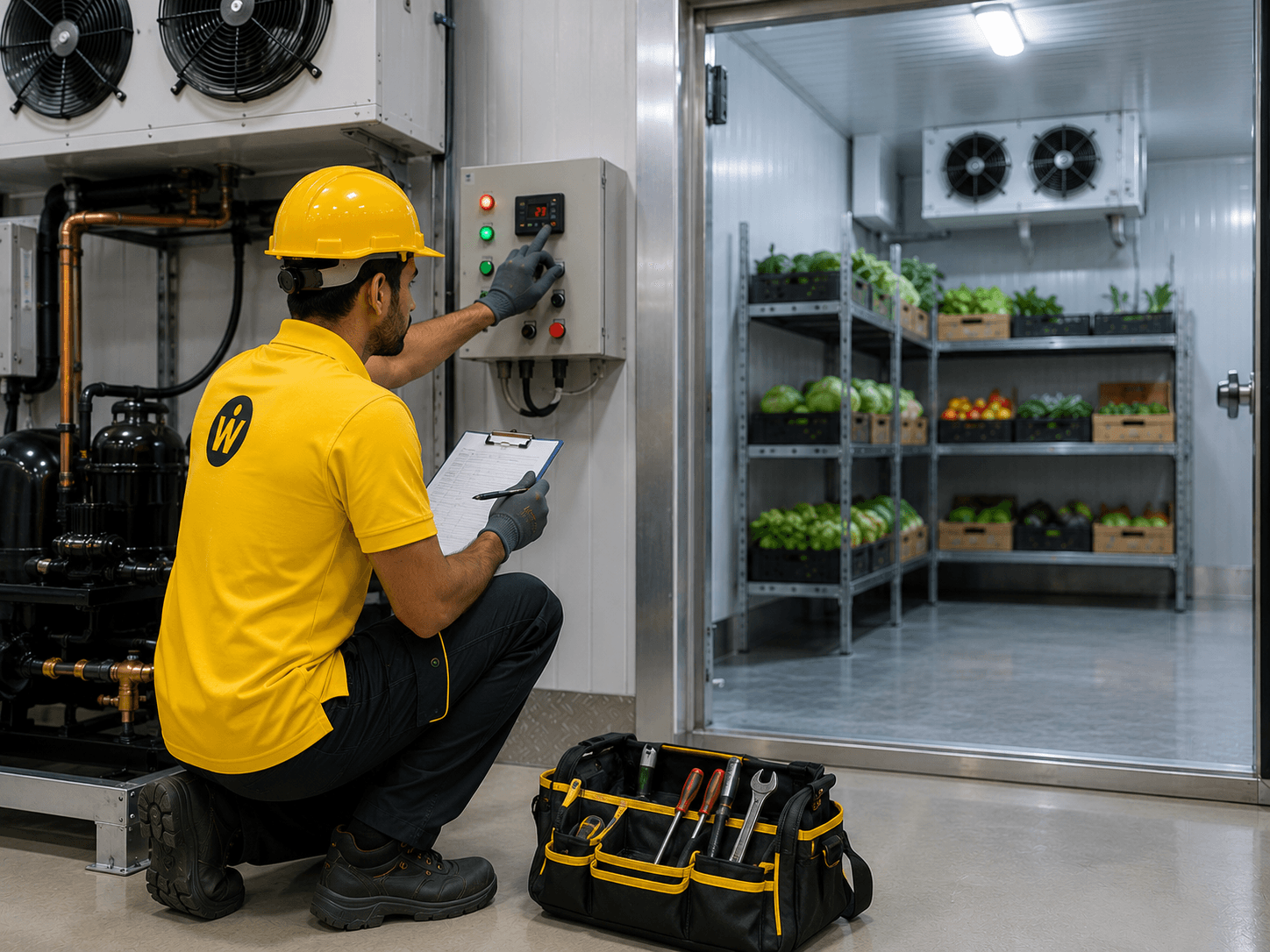
Common Cold Room Problems and How to Prevent Them
Discusses temperature fluctuations, icing, refrigerant leaks, compressor issues, poor airflow, and preventive maintenance solutions.
𝗖𝗼𝗺𝗺𝗼𝗻 𝗖𝗼𝗹𝗱 𝗥𝗼𝗼𝗺 𝗣𝗿𝗼𝗯𝗹𝗲𝗺𝘀 𝗮𝗻𝗱 𝗛𝗼𝘄 𝘁𝗼 𝗣𝗿𝗲𝘃𝗲𝗻𝘁 𝗧𝗵𝗲𝗺
Commercial cold rooms are designed to provide reliable temperature-controlled storage for businesses that depend on consistent refrigeration. Whether used in restaurants, supermarkets, pharmaceutical facilities, warehouses, hotels, or food processing plants, these systems often operate around the clock to protect valuable products. Like any commercial equipment, however, cold rooms can develop problems over time if they are not properly maintained or operated.
Many cold room issues begin as small faults that gradually become more serious. A slight temperature fluctuation, reduced airflow, or an unusual sound from the refrigeration system may seem minor at first, but if ignored, these warning signs can lead to increased energy consumption, equipment failure, costly repairs, and even product loss.
Understanding the most common cold room problems helps businesses identify potential issues early and take preventive action before operations are affected. Regular inspections, professional maintenance, and proper day-to-day operation all play an important role in extending the lifespan of a commercial refrigeration system.
At Technocrew Technical Services, we help businesses across Dubai and the UAE maintain dependable cold room performance through professional installation, routine servicing, and preventive maintenance solutions designed to minimise downtime and maximise efficiency.
𝗪𝗵𝘆 𝗖𝗼𝗹𝗱 𝗥𝗼𝗼𝗺 𝗣𝗿𝗼𝗯𝗹𝗲𝗺𝘀 𝗢𝗰𝗰𝘂𝗿
Commercial cold rooms operate continuously in demanding environments. Frequent door openings, high ambient temperatures, heavy product loading, and continuous refrigeration cycles place constant pressure on the system.
While modern refrigeration equipment is built for long-term use, factors such as poor maintenance, incorrect installation, worn components, or improper operation can gradually reduce system performance.
Identifying these issues early allows businesses to avoid unexpected breakdowns and maintain stable storage conditions throughout the year.
𝗧𝗲𝗺𝗽𝗲𝗿𝗮𝘁𝘂𝗿𝗲 𝗙𝗹𝘂𝗰𝘁𝘂𝗮𝘁𝗶𝗼𝗻𝘀
One of the most common problems in a commercial cold room is inconsistent temperature.
If the storage temperature rises or falls unexpectedly, products may no longer remain within their recommended storage conditions. Even small fluctuations over time can affect product quality, freshness, and overall reliability.
Temperature variations can occur for several reasons, including poor insulation, frequent door openings, restricted airflow, or refrigeration equipment that is no longer performing efficiently.
Preventing temperature fluctuations involves regular system inspections, proper equipment maintenance, and ensuring that the cold room is operated according to its design capacity.
𝗣𝗼𝗼𝗿 𝗔𝗶𝗿𝗳𝗹𝗼𝘄
Air circulation is essential for maintaining even temperatures throughout a commercial cold room.
When airflow becomes restricted, some areas may become warmer than others, creating uneven storage conditions. Products located near blocked airflow may not receive adequate cooling, increasing the risk of spoilage.
Poor airflow is often caused by:
• Overstocked shelving
• Products placed too close to cooling units
• Blocked air vents
• Dirty evaporator coils
• Faulty circulation fans
Keeping air pathways clear and scheduling regular maintenance helps maintain consistent cooling throughout the storage area.
𝗘𝘅𝗰𝗲𝘀𝘀𝗶𝘃𝗲 𝗜𝗰𝗲 𝗕𝘂𝗶𝗹𝗱𝘂𝗽
Ice accumulation inside a cold room is another issue that can reduce system performance.
Excessive ice may develop on cooling equipment, evaporator coils, or around door openings. This reduces airflow, decreases cooling efficiency, and forces the refrigeration system to work harder than necessary.
Common causes include:
• Damaged door seals
• Frequent door openings
• High humidity
• Poor airflow
• Delayed maintenance
Addressing the cause of ice buildup early helps prevent larger refrigeration problems while improving energy efficiency.
𝗗𝗮𝗺𝗮𝗴𝗲𝗱 𝗗𝗼𝗼𝗿 𝗦𝗲𝗮𝗹𝘀
Cold room doors are opened many times throughout the day, making door seals one of the most heavily used components of the entire system.
Over time, seals may wear, crack, or lose their effectiveness. This allows warm outside air to enter the cold room, forcing the refrigeration system to work harder to maintain the required temperature.
Signs of damaged door seals include:
• Difficulty maintaining temperature
• Increased energy consumption
• Moisture around door frames
• Ice formation near doors
• Doors that no longer close tightly
Regular inspection and timely replacement of worn seals help improve system efficiency and reduce unnecessary cooling losses.
𝗗𝗶𝗿𝘁𝘆 𝗥𝗲𝗳𝗿𝗶𝗴𝗲𝗿𝗮𝘁𝗶𝗼𝗻 𝗖𝗼𝗺𝗽𝗼𝗻𝗲𝗻𝘁𝘀
Dust, grease, and debris can gradually accumulate on refrigeration equipment, reducing its ability to transfer heat efficiently.
When components become dirty, the refrigeration system may require more energy to maintain the desired temperature. Over time, this additional workload increases equipment wear and shortens the lifespan of important components.
Routine cleaning performed during scheduled maintenance helps keep refrigeration equipment operating efficiently while reducing unnecessary energy consumption.
𝗣𝗼𝗼𝗿 𝗜𝗻𝘀𝘂𝗹𝗮𝘁𝗶𝗼𝗻 𝗣𝗲𝗿𝗳𝗼𝗿𝗺𝗮𝗻𝗰𝗲
Insulation is responsible for preventing heat from entering the cold room.
If insulated panels become damaged or joints begin to separate, outside heat can gradually enter the storage space. As a result, the refrigeration system must operate more frequently to maintain the required temperature.
Maintaining insulation in good condition helps improve cooling performance while reducing operating costs throughout the year.
𝗘𝗹𝗲𝗰𝘁𝗿𝗶𝗰𝗮𝗹 𝗖𝗼𝗻𝘁𝗿𝗼𝗹 𝗜𝘀𝘀𝘂𝗲𝘀
Commercial cold rooms rely on electrical systems to operate refrigeration equipment, temperature controls, lighting, and safety devices.
Electrical faults may affect overall system performance and should be addressed promptly by qualified technicians.
Potential warning signs include:
• Control panel alerts
• Irregular equipment operation
• Lighting failures
• Unexpected system shutdowns
• Temperature monitoring problems
Routine inspections help identify electrical issues before they develop into more serious equipment failures.
𝗨𝗻𝘂𝘀𝘂𝗮𝗹 𝗡𝗼𝗶𝘀𝗲𝘀
Commercial refrigeration systems normally produce some operating noise. However, sudden or unusual sounds often indicate that maintenance is required.
Grinding, rattling, buzzing, or vibrating noises may suggest worn components, loose fittings, airflow restrictions, or other developing issues.
Investigating unusual sounds early helps prevent larger mechanical problems and reduces the likelihood of unexpected downtime.
𝗜𝗻𝗰𝗿𝗲𝗮𝘀𝗲𝗱 𝗘𝗻𝗲𝗿𝗴𝘆 𝗖𝗼𝗻𝘀𝘂𝗺𝗽𝘁𝗶𝗼𝗻
A noticeable increase in electricity usage is often one of the earliest signs that a cold room is no longer operating efficiently.
Higher energy consumption may result from:
• Poor insulation
• Dirty refrigeration equipment
• Frequent door openings
• Incorrect temperature settings
• Ageing components
• Reduced airflow
Monitoring energy usage regularly can help businesses identify performance issues before equipment failure occurs.
𝗢𝘃𝗲𝗿𝗹𝗼𝗮𝗱𝗶𝗻𝗴 𝘁𝗵𝗲 𝗖𝗼𝗹𝗱 𝗥𝗼𝗼𝗺
Storing more products than the cold room was designed to accommodate can reduce cooling efficiency.
Overloaded storage areas restrict airflow, making it more difficult for refrigerated air to circulate evenly throughout the room. This may result in inconsistent temperatures and increased compressor workload.
Businesses should organise products carefully while maintaining adequate spacing for proper air circulation.
𝗛𝗼𝘄 𝗥𝗲𝗴𝘂𝗹𝗮𝗿 𝗠𝗮𝗶𝗻𝘁𝗲𝗻𝗮𝗻𝗰𝗲 𝗣𝗿𝗲𝘃𝗲𝗻𝘁𝘀 𝗠𝗼𝘀𝘁 𝗣𝗿𝗼𝗯𝗹𝗲𝗺𝘀
Preventive maintenance is one of the most effective ways to keep a commercial cold room operating efficiently.
Routine servicing helps identify developing faults before they lead to expensive repairs or unexpected equipment failures.
A professional maintenance programme typically includes:
• Temperature verification
• Refrigeration performance checks
• Electrical inspections
• Equipment cleaning
• Airflow testing
• Door seal inspection
• Control system testing
• Component condition assessment
Regular maintenance helps improve reliability while extending the service life of refrigeration equipment.
𝗕𝗲𝘀𝘁 𝗣𝗿𝗮𝗰𝘁𝗶𝗰𝗲𝘀 𝗳𝗼𝗿 𝗗𝗮𝗶𝗹𝘆 𝗢𝗽𝗲𝗿𝗮𝘁𝗶𝗼𝗻
Good operating practices can significantly reduce the likelihood of cold room problems.
Businesses should aim to:
• Keep doors closed whenever possible
• Avoid overloading storage areas
• Maintain clear airflow around products
• Monitor temperatures regularly
• Keep the storage area clean
• Report unusual equipment behaviour immediately
• Schedule routine maintenance
• Inspect doors and seals frequently
Following these simple practices helps maintain consistent refrigeration performance while reducing long-term operating costs.
𝗪𝗵𝗲𝗻 𝘁𝗼 𝗖𝗮𝗹𝗹 𝗮 𝗣𝗿𝗼𝗳𝗲𝘀𝘀𝗶𝗼𝗻𝗮𝗹
Some refrigeration issues require immediate attention to prevent product loss or equipment damage.
Businesses should arrange professional inspection if they notice:
• Continuous temperature instability
• Excessive ice formation
• Refrigeration equipment stopping unexpectedly
• Water leaks
• Persistent warning alarms
• Unusual operating noises
• Sudden increases in electricity consumption
Early intervention often prevents more serious and costly repairs later.
𝗪𝗵𝘆 𝗖𝗵𝗼𝗼𝘀𝗲 𝗧𝗲𝗰𝗵𝗻𝗼𝗰𝗿𝗲𝘄 𝗧𝗲𝗰𝗵𝗻𝗶𝗰𝗮𝗹 𝗦𝗲𝗿𝘃𝗶𝗰𝗲𝘀?
Technocrew Technical Services provides professional commercial cold room installation, servicing, troubleshooting, and preventive maintenance solutions for businesses across Dubai and the UAE. Our experienced technicians identify potential problems before they become major failures, helping businesses maintain reliable refrigeration performance throughout the year.
From routine inspections and system diagnostics to repairs and ongoing maintenance, every service is carried out with a focus on efficiency, reliability, and long-term equipment performance. Whether you operate a restaurant, supermarket, warehouse, pharmaceutical facility, or food processing plant, Technocrew delivers dependable support to keep your commercial cold room operating at its best.
Need Expert Help?
Expert technical services across the UAE. Reliable refrigeration, climate control & maintenance.
𝗖𝗼𝗺𝗺𝗼𝗻 𝗖𝗼𝗹𝗱 𝗥𝗼𝗼𝗺 𝗣𝗿𝗼𝗯𝗹𝗲𝗺𝘀 𝗮𝗻𝗱 𝗛𝗼𝘄 𝘁𝗼 𝗣𝗿𝗲𝘃𝗲𝗻𝘁 𝗧𝗵𝗲𝗺
Commercial cold rooms are designed to provide reliable temperature-controlled storage for businesses that depend on consistent refrigeration. Whether used in restaurants, supermarkets, pharmaceutical facilities, warehouses, hotels, or food processing plants, these systems often operate around the clock to protect valuable products. Like any commercial equipment, however, cold rooms can develop problems over time if they are not properly maintained or operated.
Many cold room issues begin as small faults that gradually become more serious. A slight temperature fluctuation, reduced airflow, or an unusual sound from the refrigeration system may seem minor at first, but if ignored, these warning signs can lead to increased energy consumption, equipment failure, costly repairs, and even product loss.
Understanding the most common cold room problems helps businesses identify potential issues early and take preventive action before operations are affected. Regular inspections, professional maintenance, and proper day-to-day operation all play an important role in extending the lifespan of a commercial refrigeration system.
At Technocrew Technical Services, we help businesses across Dubai and the UAE maintain dependable cold room performance through professional installation, routine servicing, and preventive maintenance solutions designed to minimise downtime and maximise efficiency.
𝗪𝗵𝘆 𝗖𝗼𝗹𝗱 𝗥𝗼𝗼𝗺 𝗣𝗿𝗼𝗯𝗹𝗲𝗺𝘀 𝗢𝗰𝗰𝘂𝗿
Commercial cold rooms operate continuously in demanding environments. Frequent door openings, high ambient temperatures, heavy product loading, and continuous refrigeration cycles place constant pressure on the system.
While modern refrigeration equipment is built for long-term use, factors such as poor maintenance, incorrect installation, worn components, or improper operation can gradually reduce system performance.
Identifying these issues early allows businesses to avoid unexpected breakdowns and maintain stable storage conditions throughout the year.
𝗧𝗲𝗺𝗽𝗲𝗿𝗮𝘁𝘂𝗿𝗲 𝗙𝗹𝘂𝗰𝘁𝘂𝗮𝘁𝗶𝗼𝗻𝘀
One of the most common problems in a commercial cold room is inconsistent temperature.
If the storage temperature rises or falls unexpectedly, products may no longer remain within their recommended storage conditions. Even small fluctuations over time can affect product quality, freshness, and overall reliability.
Temperature variations can occur for several reasons, including poor insulation, frequent door openings, restricted airflow, or refrigeration equipment that is no longer performing efficiently.
Preventing temperature fluctuations involves regular system inspections, proper equipment maintenance, and ensuring that the cold room is operated according to its design capacity.
𝗣𝗼𝗼𝗿 𝗔𝗶𝗿𝗳𝗹𝗼𝘄
Air circulation is essential for maintaining even temperatures throughout a commercial cold room.
When airflow becomes restricted, some areas may become warmer than others, creating uneven storage conditions. Products located near blocked airflow may not receive adequate cooling, increasing the risk of spoilage.
Poor airflow is often caused by:
• Overstocked shelving
• Products placed too close to cooling units
• Blocked air vents
• Dirty evaporator coils
• Faulty circulation fans
Keeping air pathways clear and scheduling regular maintenance helps maintain consistent cooling throughout the storage area.
𝗘𝘅𝗰𝗲𝘀𝘀𝗶𝘃𝗲 𝗜𝗰𝗲 𝗕𝘂𝗶𝗹𝗱𝘂𝗽
Ice accumulation inside a cold room is another issue that can reduce system performance.
Excessive ice may develop on cooling equipment, evaporator coils, or around door openings. This reduces airflow, decreases cooling efficiency, and forces the refrigeration system to work harder than necessary.
Common causes include:
• Damaged door seals
• Frequent door openings
• High humidity
• Poor airflow
• Delayed maintenance
Addressing the cause of ice buildup early helps prevent larger refrigeration problems while improving energy efficiency.
𝗗𝗮𝗺𝗮𝗴𝗲𝗱 𝗗𝗼𝗼𝗿 𝗦𝗲𝗮𝗹𝘀
Cold room doors are opened many times throughout the day, making door seals one of the most heavily used components of the entire system.
Over time, seals may wear, crack, or lose their effectiveness. This allows warm outside air to enter the cold room, forcing the refrigeration system to work harder to maintain the required temperature.
Signs of damaged door seals include:
• Difficulty maintaining temperature
• Increased energy consumption
• Moisture around door frames
• Ice formation near doors
• Doors that no longer close tightly
Regular inspection and timely replacement of worn seals help improve system efficiency and reduce unnecessary cooling losses.
𝗗𝗶𝗿𝘁𝘆 𝗥𝗲𝗳𝗿𝗶𝗴𝗲𝗿𝗮𝘁𝗶𝗼𝗻 𝗖𝗼𝗺𝗽𝗼𝗻𝗲𝗻𝘁𝘀
Dust, grease, and debris can gradually accumulate on refrigeration equipment, reducing its ability to transfer heat efficiently.
When components become dirty, the refrigeration system may require more energy to maintain the desired temperature. Over time, this additional workload increases equipment wear and shortens the lifespan of important components.
Routine cleaning performed during scheduled maintenance helps keep refrigeration equipment operating efficiently while reducing unnecessary energy consumption.
𝗣𝗼𝗼𝗿 𝗜𝗻𝘀𝘂𝗹𝗮𝘁𝗶𝗼𝗻 𝗣𝗲𝗿𝗳𝗼𝗿𝗺𝗮𝗻𝗰𝗲
Insulation is responsible for preventing heat from entering the cold room.
If insulated panels become damaged or joints begin to separate, outside heat can gradually enter the storage space. As a result, the refrigeration system must operate more frequently to maintain the required temperature.
Maintaining insulation in good condition helps improve cooling performance while reducing operating costs throughout the year.
𝗘𝗹𝗲𝗰𝘁𝗿𝗶𝗰𝗮𝗹 𝗖𝗼𝗻𝘁𝗿𝗼𝗹 𝗜𝘀𝘀𝘂𝗲𝘀
Commercial cold rooms rely on electrical systems to operate refrigeration equipment, temperature controls, lighting, and safety devices.
Electrical faults may affect overall system performance and should be addressed promptly by qualified technicians.
Potential warning signs include:
• Control panel alerts
• Irregular equipment operation
• Lighting failures
• Unexpected system shutdowns
• Temperature monitoring problems
Routine inspections help identify electrical issues before they develop into more serious equipment failures.
𝗨𝗻𝘂𝘀𝘂𝗮𝗹 𝗡𝗼𝗶𝘀𝗲𝘀
Commercial refrigeration systems normally produce some operating noise. However, sudden or unusual sounds often indicate that maintenance is required.
Grinding, rattling, buzzing, or vibrating noises may suggest worn components, loose fittings, airflow restrictions, or other developing issues.
Investigating unusual sounds early helps prevent larger mechanical problems and reduces the likelihood of unexpected downtime.
𝗜𝗻𝗰𝗿𝗲𝗮𝘀𝗲𝗱 𝗘𝗻𝗲𝗿𝗴𝘆 𝗖𝗼𝗻𝘀𝘂𝗺𝗽𝘁𝗶𝗼𝗻
A noticeable increase in electricity usage is often one of the earliest signs that a cold room is no longer operating efficiently.
Higher energy consumption may result from:
• Poor insulation
• Dirty refrigeration equipment
• Frequent door openings
• Incorrect temperature settings
• Ageing components
• Reduced airflow
Monitoring energy usage regularly can help businesses identify performance issues before equipment failure occurs.
𝗢𝘃𝗲𝗿𝗹𝗼𝗮𝗱𝗶𝗻𝗴 𝘁𝗵𝗲 𝗖𝗼𝗹𝗱 𝗥𝗼𝗼𝗺
Storing more products than the cold room was designed to accommodate can reduce cooling efficiency.
Overloaded storage areas restrict airflow, making it more difficult for refrigerated air to circulate evenly throughout the room. This may result in inconsistent temperatures and increased compressor workload.
Businesses should organise products carefully while maintaining adequate spacing for proper air circulation.
𝗛𝗼𝘄 𝗥𝗲𝗴𝘂𝗹𝗮𝗿 𝗠𝗮𝗶𝗻𝘁𝗲𝗻𝗮𝗻𝗰𝗲 𝗣𝗿𝗲𝘃𝗲𝗻𝘁𝘀 𝗠𝗼𝘀𝘁 𝗣𝗿𝗼𝗯𝗹𝗲𝗺𝘀
Preventive maintenance is one of the most effective ways to keep a commercial cold room operating efficiently.
Routine servicing helps identify developing faults before they lead to expensive repairs or unexpected equipment failures.
A professional maintenance programme typically includes:
• Temperature verification
• Refrigeration performance checks
• Electrical inspections
• Equipment cleaning
• Airflow testing
• Door seal inspection
• Control system testing
• Component condition assessment
Regular maintenance helps improve reliability while extending the service life of refrigeration equipment.
𝗕𝗲𝘀𝘁 𝗣𝗿𝗮𝗰𝘁𝗶𝗰𝗲𝘀 𝗳𝗼𝗿 𝗗𝗮𝗶𝗹𝘆 𝗢𝗽𝗲𝗿𝗮𝘁𝗶𝗼𝗻
Good operating practices can significantly reduce the likelihood of cold room problems.
Businesses should aim to:
• Keep doors closed whenever possible
• Avoid overloading storage areas
• Maintain clear airflow around products
• Monitor temperatures regularly
• Keep the storage area clean
• Report unusual equipment behaviour immediately
• Schedule routine maintenance
• Inspect doors and seals frequently
Following these simple practices helps maintain consistent refrigeration performance while reducing long-term operating costs.
𝗪𝗵𝗲𝗻 𝘁𝗼 𝗖𝗮𝗹𝗹 𝗮 𝗣𝗿𝗼𝗳𝗲𝘀𝘀𝗶𝗼𝗻𝗮𝗹
Some refrigeration issues require immediate attention to prevent product loss or equipment damage.
Businesses should arrange professional inspection if they notice:
• Continuous temperature instability
• Excessive ice formation
• Refrigeration equipment stopping unexpectedly
• Water leaks
• Persistent warning alarms
• Unusual operating noises
• Sudden increases in electricity consumption
Early intervention often prevents more serious and costly repairs later.
𝗪𝗵𝘆 𝗖𝗵𝗼𝗼𝘀𝗲 𝗧𝗲𝗰𝗵𝗻𝗼𝗰𝗿𝗲𝘄 𝗧𝗲𝗰𝗵𝗻𝗶𝗰𝗮𝗹 𝗦𝗲𝗿𝘃𝗶𝗰𝗲𝘀?
Technocrew Technical Services provides professional commercial cold room installation, servicing, troubleshooting, and preventive maintenance solutions for businesses across Dubai and the UAE. Our experienced technicians identify potential problems before they become major failures, helping businesses maintain reliable refrigeration performance throughout the year.
From routine inspections and system diagnostics to repairs and ongoing maintenance, every service is carried out with a focus on efficiency, reliability, and long-term equipment performance. Whether you operate a restaurant, supermarket, warehouse, pharmaceutical facility, or food processing plant, Technocrew delivers dependable support to keep your commercial cold room operating at its best.
Need Expert Help?
Expert technical services across the UAE. Reliable refrigeration, climate control & maintenance.
Our Services
Other Resources
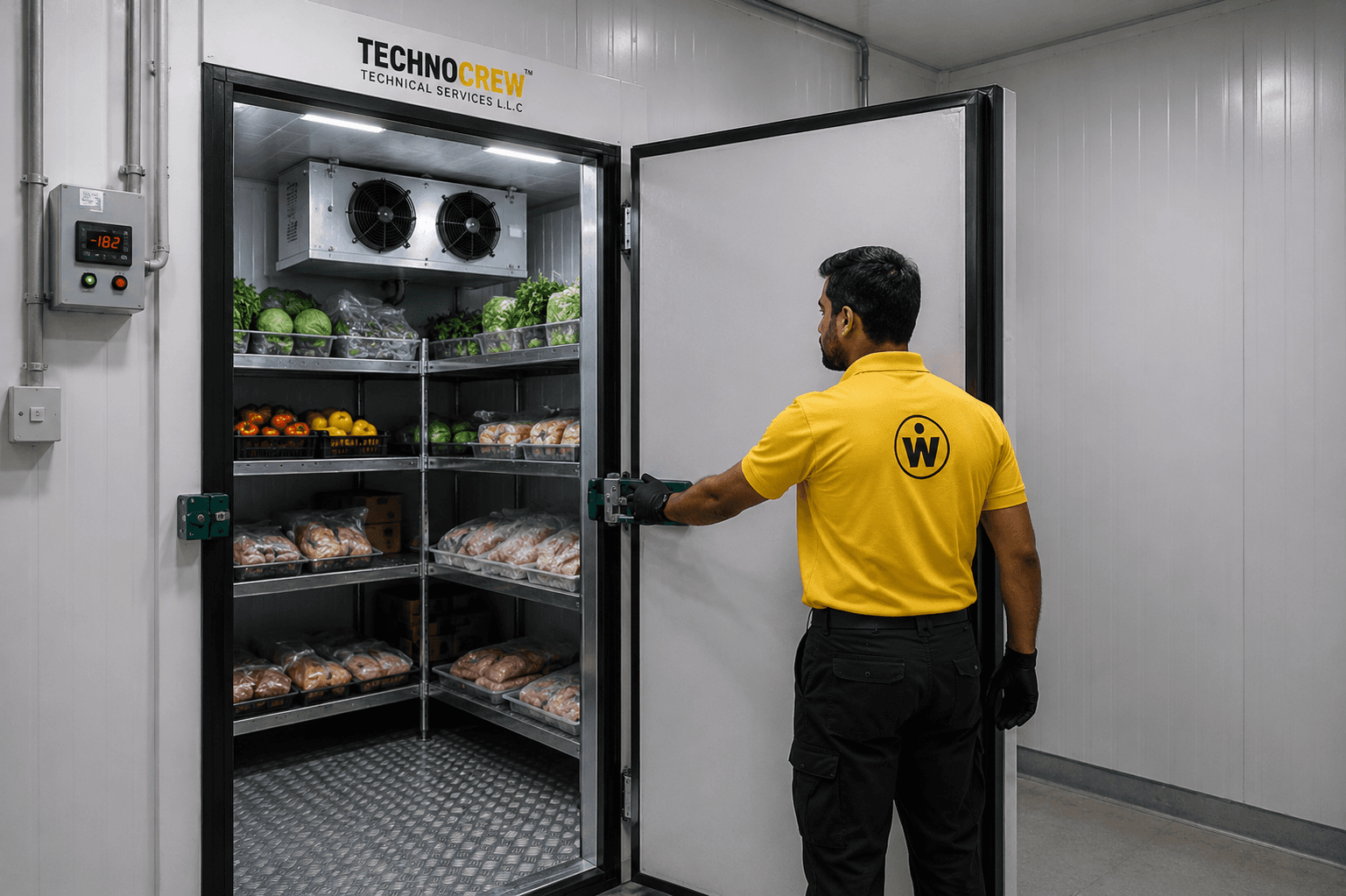
Cold Room Design & Installation
Complete design, fabrication, and installation of walk-in cold rooms, freezer rooms, and blast chillers engineered for commercial and industrial temperature-controlled storage across the UAE.
Get Service
Cold Room Design & Installation
Complete design, fabrication, and installation of walk-in cold rooms, freezer rooms, and blast chillers engineered for commercial and industrial temperature-controlled storage across the UAE.
Get Service
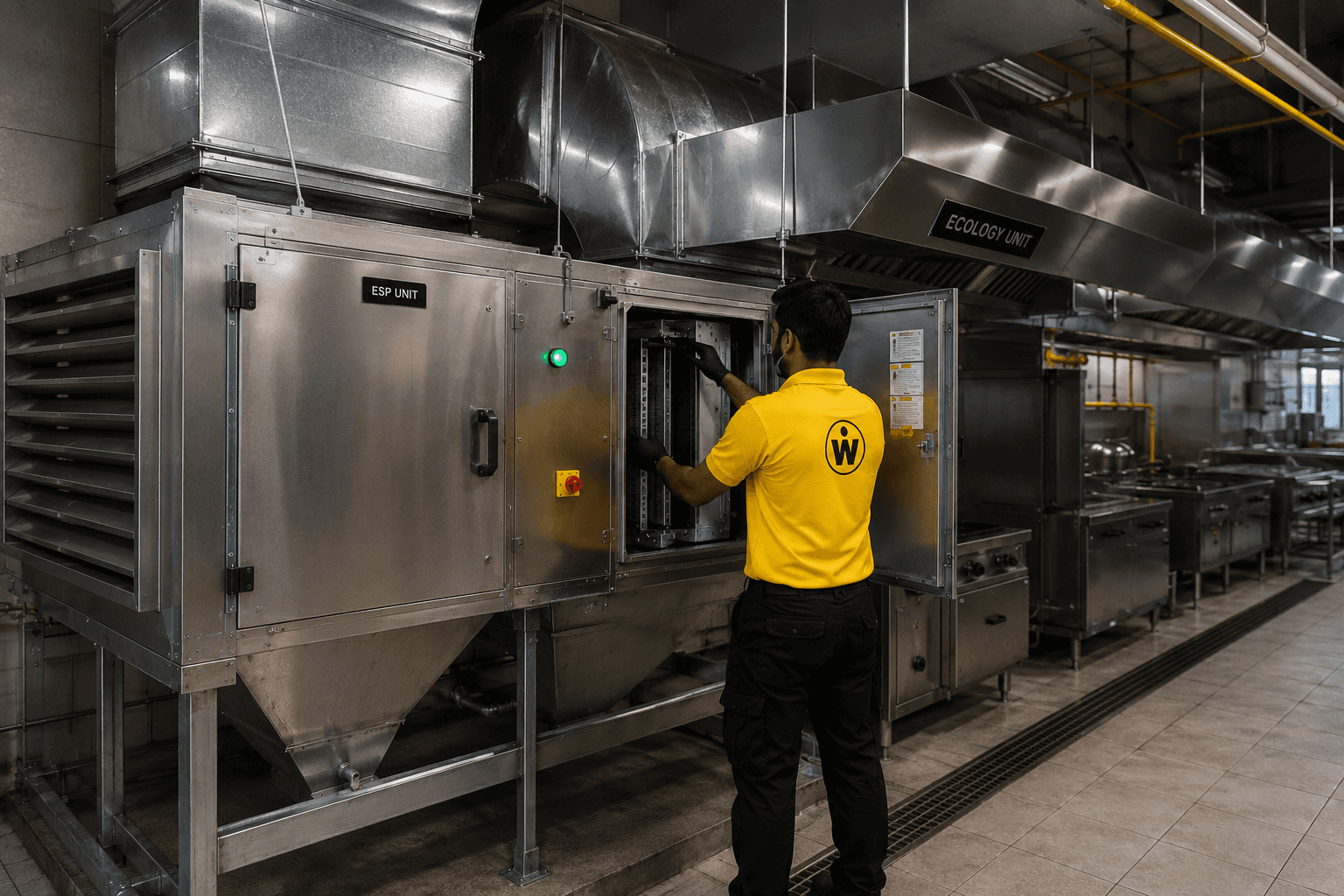
ESP & Ecology Units
Commercial kitchen ecology systems and electrostatic precipitators engineered for grease filtration, smoke control, odour reduction, and Dubai Municipality air quality compliance.
Get Service
ESP & Ecology Units
Commercial kitchen ecology systems and electrostatic precipitators engineered for grease filtration, smoke control, odour reduction, and Dubai Municipality air quality compliance.
Get Service
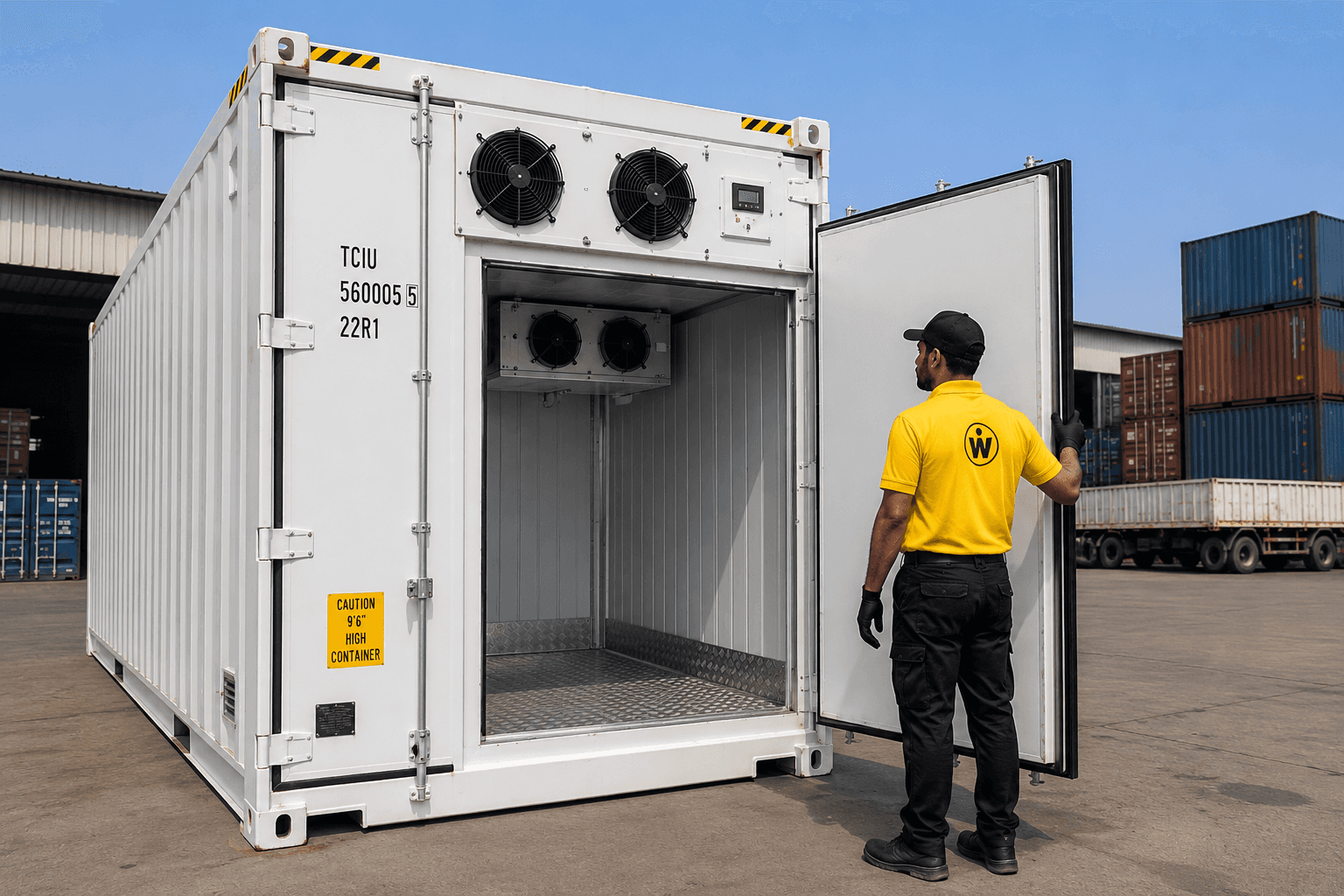
Container Cold Rooms
Turnkey containerised refrigeration units designed for logistics, fisheries, remote sites, events, and industrial operations requiring dependable mobile cold storage solutions.
Get Service
Container Cold Rooms
Turnkey containerised refrigeration units designed for logistics, fisheries, remote sites, events, and industrial operations requiring dependable mobile cold storage solutions.
Get Service
FAQ
Answers to Your Plumbing Questions
Find quick answers to common plumbing questions. From emergency repairs to routine maintenance, PlumFix is here to provide reliable solutions and peace of mind.
What technical services do you offer?
Do you have full-time in-house engineers?
Do your services deliver quality results?
How do I request a project quote?
Do you provide upfront pricing?
How can I schedule a consultation call?
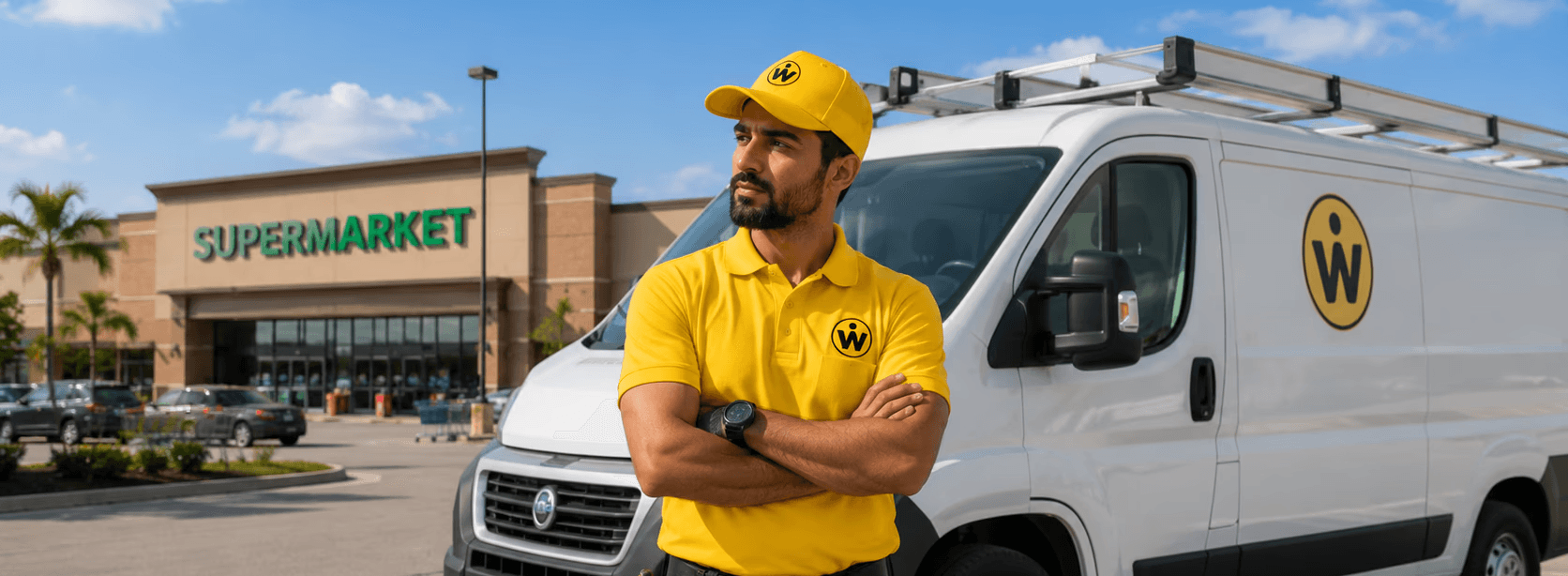
Need Fast & Reliable Expert TECHNICAL Services?
Whether it's a routine service or an urgent technical issue, Technocrew is ready to deliver professional solutions with expert workmanship, transparent pricing, and dependable service you can trust.
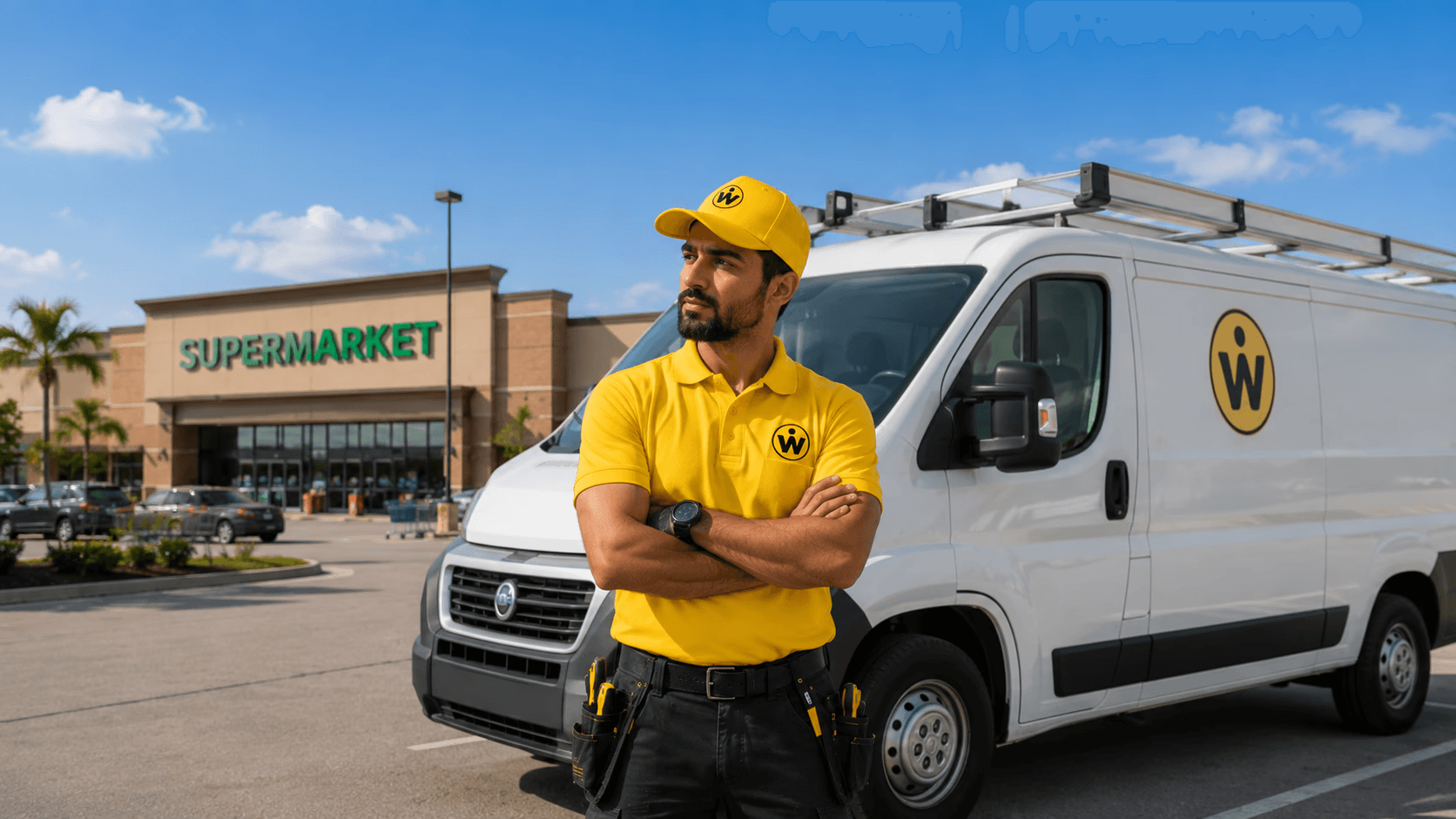
Need Fast & Reliable Engineering Solutions?
Whether it's a cold room, container build, or full technical project, Technocrew delivers professional solutions with expert workmanship, transparent pricing, and dependable service you can trust.
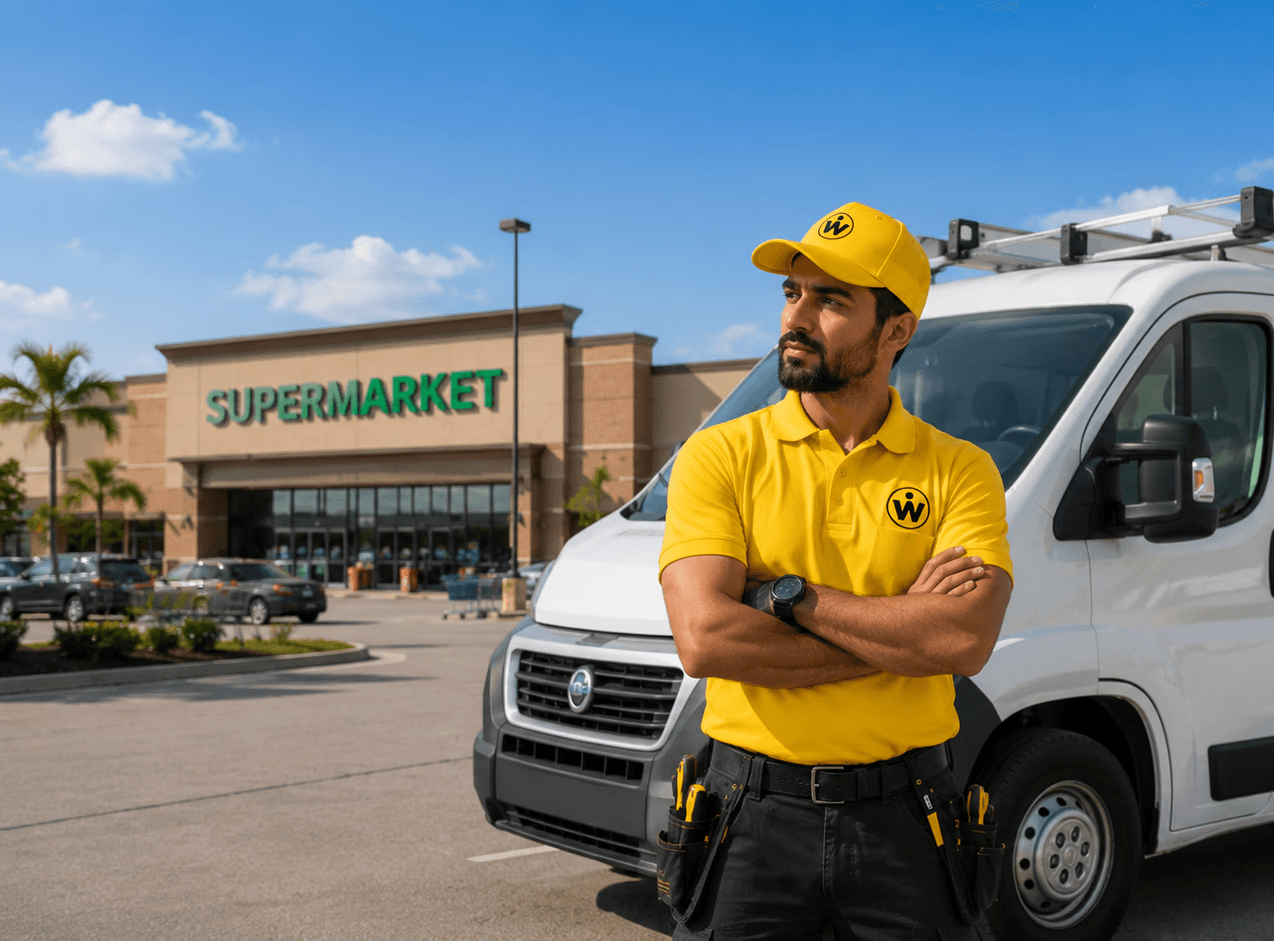
Need Fast & Reliable Expert TECHNICAL Services?
Whether it's a routine service or an urgent technical issue, Technocrew is ready to deliver professional solutions with expert workmanship, transparent pricing, and dependable service you can trust.