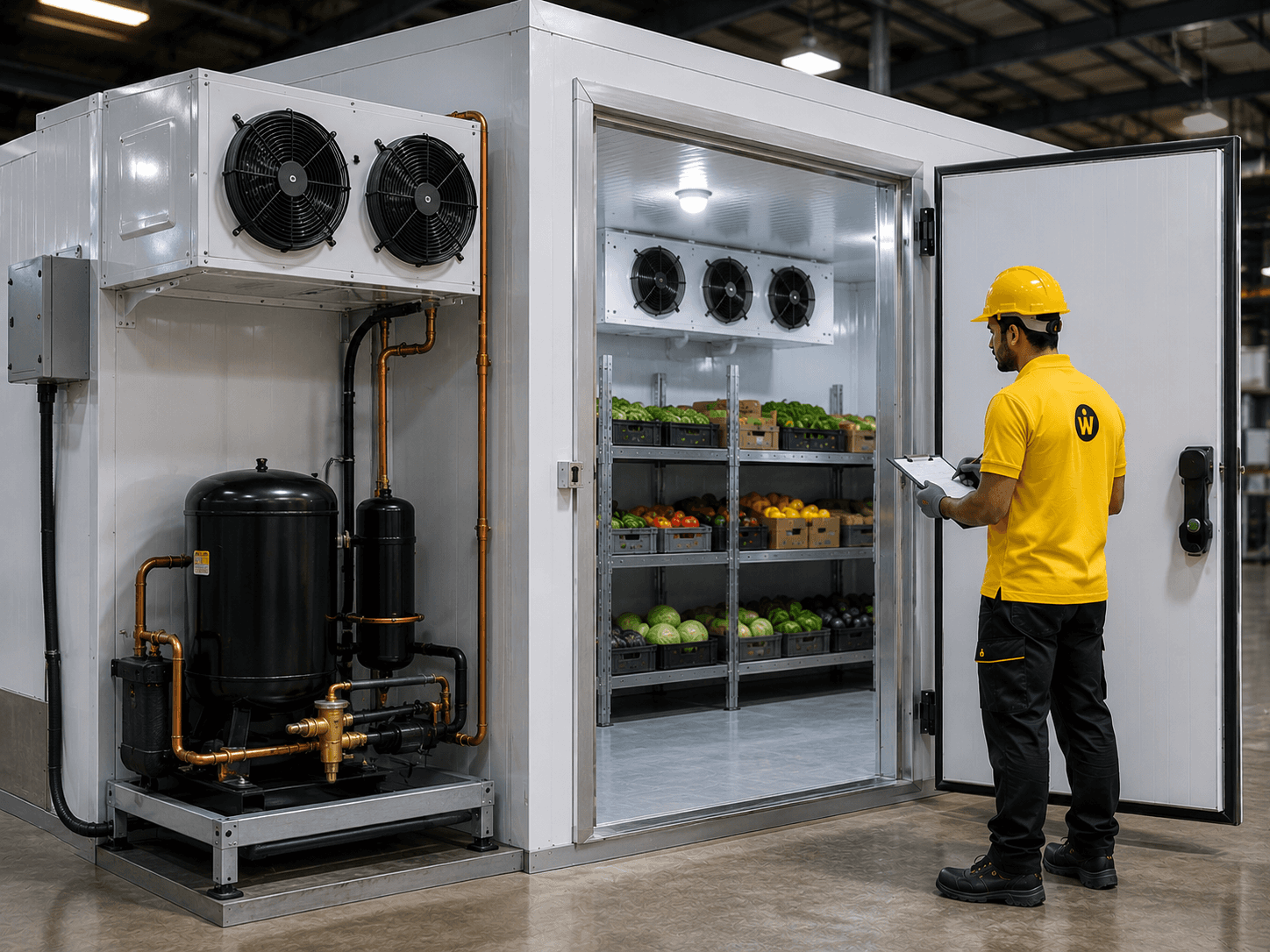
How Commercial Cold Rooms Work
Technocrew Technical Services L.L.C. designs and transforms shipping containers into fully functional commercial, industrial, and custom-built spaces for businesses across Dubai and the UAE.
𝗛𝗼𝘄 𝗖𝗼𝗺𝗺𝗲𝗿𝗰𝗶𝗮𝗹 𝗖𝗼𝗹𝗱 𝗥𝗼𝗼𝗺𝘀 𝗪𝗼𝗿𝗸
Commercial cold rooms are an essential part of modern businesses that rely on temperature-controlled storage. From restaurants and supermarkets to pharmaceutical facilities, catering companies, warehouses, and food processing plants, these refrigeration systems help preserve product quality by maintaining stable temperatures around the clock. While many people see a cold room as simply a large refrigerated space, the technology behind it is far more advanced.
A commercial cold room works by continuously removing heat from the storage area and maintaining a controlled environment regardless of external weather conditions. In regions like Dubai and across the UAE, where outdoor temperatures remain high for much of the year, refrigeration systems must operate efficiently to maintain reliable cooling while keeping energy consumption under control.
Understanding how a commercial cold room works helps business owners make better decisions when selecting, operating, and maintaining their refrigeration systems. It also highlights why professional design, quality equipment, and regular maintenance are essential for achieving long-term reliability.
At Technocrew Technical Services, every cold room is designed with careful attention to engineering, airflow, insulation, and refrigeration performance, ensuring dependable operation for commercial and industrial applications.
𝗧𝗵𝗲 𝗕𝗮𝘀𝗶𝗰 𝗣𝗿𝗶𝗻𝗰𝗶𝗽𝗹𝗲 𝗼𝗳 𝗖𝗼𝗹𝗱 𝗥𝗼𝗼𝗺 𝗢𝗽𝗲𝗿𝗮𝘁𝗶𝗼𝗻
A commercial cold room works by transferring heat from inside the storage space to the outside environment. Instead of producing cold air, the refrigeration system removes unwanted heat from the room, allowing the interior to remain at the required temperature.
This process continues automatically throughout the day. As warm air enters the room whenever the door is opened or products are placed inside, the refrigeration system detects the temperature change and works to restore the desired conditions.
The combination of refrigeration equipment, insulated construction, airflow management, and intelligent temperature controls allows the system to maintain a consistent environment suitable for storing temperature-sensitive products.
𝗧𝗵𝗲 𝗥𝗲𝗳𝗿𝗶𝗴𝗲𝗿𝗮𝘁𝗶𝗼𝗻 𝗖𝘆𝗰𝗹𝗲
Every commercial cold room operates using a refrigeration cycle that continuously removes heat from the storage area.
The cycle begins when refrigerant absorbs heat inside the cold room. As it travels through the refrigeration system, the heat is carried outside the storage area and released into the surrounding environment. The cooled refrigerant then returns to repeat the same process again.
This continuous cycle allows the cold room to maintain stable temperatures regardless of changing external conditions or daily usage.
Although the refrigeration cycle operates automatically, every component must function correctly to ensure reliable performance.
𝗧𝗵𝗲 𝗥𝗼𝗹𝗲 𝗼𝗳 𝗜𝗻𝘀𝘂𝗹𝗮𝘁𝗶𝗼𝗻
Insulation is one of the most important elements of any commercial cold room. Without effective insulation, heat from outside the room would quickly enter the storage area, forcing the refrigeration system to work harder.
Cold rooms are constructed using insulated wall, ceiling, and floor panels that minimise heat transfer. High-quality insulation helps maintain stable temperatures while significantly reducing energy consumption.
Proper insulation also prevents unnecessary strain on refrigeration equipment, improves efficiency, and contributes to lower operating costs over the lifetime of the system.
𝗛𝗼𝘄 𝗧𝗲𝗺𝗽𝗲𝗿𝗮𝘁𝘂𝗿𝗲 𝗜𝘀 𝗠𝗮𝗶𝗻𝘁𝗮𝗶𝗻𝗲𝗱
Maintaining a consistent temperature requires constant monitoring and automatic adjustment.
Temperature sensors continuously monitor conditions inside the cold room. Whenever the temperature rises above the required level, the refrigeration system activates to remove excess heat.
Once the desired temperature has been restored, the system automatically adjusts its operation to maintain stable conditions without unnecessary energy consumption.
This automated process helps protect stored products while improving overall system efficiency.
𝗧𝗵𝗲 𝗜𝗺𝗽𝗼𝗿𝘁𝗮𝗻𝗰𝗲 𝗼𝗳 𝗔𝗶𝗿𝗳𝗹𝗼𝘄
Cooling a room involves much more than simply lowering the air temperature. Proper airflow ensures that cool air reaches every part of the storage space.
Fans circulate refrigerated air evenly throughout the cold room, preventing warm spots that could affect stored products. Good airflow also helps the refrigeration system operate more efficiently by maintaining consistent temperatures across the entire storage area.
Poor airflow can lead to uneven cooling, reduced efficiency, increased energy consumption, and unnecessary stress on refrigeration equipment.
𝗠𝗮𝗷𝗼𝗿 𝗖𝗼𝗺𝗽𝗼𝗻𝗲𝗻𝘁𝘀 𝗼𝗳 𝗮 𝗖𝗼𝗺𝗺𝗲𝗿𝗰𝗶𝗮𝗹 𝗖𝗼𝗹𝗱 𝗥𝗼𝗼𝗺
Every commercial cold room consists of several components that work together to create a reliable temperature-controlled environment.
The main components include:
• Refrigeration condensing unit
• Evaporator unit
• Insulated wall panels
• Insulated ceiling panels
• Cold room doors
• Temperature sensors
• Digital control system
• Refrigeration piping
• Electrical control panel
• Interior lighting
• Air circulation fans
• Safety protection devices
Each component plays a specific role in maintaining stable temperatures and efficient operation.
𝗧𝗵𝗲 𝗜𝗺𝗽𝗼𝗿𝘁𝗮𝗻𝗰𝗲 𝗼𝗳 𝗖𝗼𝗹𝗱 𝗥𝗼𝗼𝗺 𝗗𝗼𝗼𝗿𝘀
The door is one of the most frequently used parts of any cold room. Every time it opens, warm outside air enters while cooled air escapes.
High-quality insulated doors with effective sealing systems help minimise temperature fluctuations and reduce energy loss. Properly fitted doors also improve equipment efficiency by reducing the workload on refrigeration components.
Businesses with frequent daily access benefit from door systems designed for durability, insulation, and smooth operation.
𝗪𝗵𝘆 𝗦𝗺𝗮𝗿𝘁 𝗧𝗲𝗺𝗽𝗲𝗿𝗮𝘁𝘂𝗿𝗲 𝗖𝗼𝗻𝘁𝗿𝗼𝗹𝘀 𝗠𝗮𝘁𝘁𝗲𝗿
Modern commercial refrigeration systems use digital controllers that continuously monitor operating conditions.
These systems allow businesses to maintain accurate temperatures, detect abnormal operating conditions, and improve energy efficiency. By automatically adjusting refrigeration performance, smart controls help reduce unnecessary energy consumption while protecting valuable inventory.
Consistent temperature monitoring is particularly important for industries where product quality depends on precise environmental conditions.
𝗘𝗻𝗲𝗿𝗴𝘆 𝗘𝗳𝗳𝗶𝗰𝗶𝗲𝗻𝗰𝘆 𝗶𝗻 𝗖𝗼𝗹𝗱 𝗥𝗼𝗼𝗺𝘀
Commercial refrigeration systems often operate twenty-four hours a day, making energy efficiency a major consideration for business owners.
Several factors influence overall energy performance, including insulation quality, refrigeration equipment, airflow design, door usage, and regular maintenance.
Businesses can improve efficiency by:
• Using high-quality insulation
• Installing correctly sized refrigeration equipment
• Keeping doors closed whenever possible
• Maintaining proper airflow
• Performing routine equipment maintenance
• Monitoring system performance regularly
Improving efficiency not only lowers electricity costs but also extends the lifespan of refrigeration equipment.
𝗖𝗼𝗺𝗺𝗼𝗻 𝗙𝗮𝗰𝘁𝗼𝗿𝘀 𝗧𝗵𝗮𝘁 𝗔𝗳𝗳𝗲𝗰𝘁 𝗣𝗲𝗿𝗳𝗼𝗿𝗺𝗮𝗻𝗰𝗲
Even a well-designed cold room can experience reduced performance if certain operational factors are overlooked.
Some of the most common issues include:
• Frequent door openings
• Poor insulation
• Incorrect equipment sizing
• Blocked airflow
• Lack of maintenance
• Dirty refrigeration components
• Overloading stored products
• Inadequate ventilation around refrigeration equipment
Addressing these issues helps maintain stable temperatures while reducing unnecessary operating costs.
𝗛𝗼𝘄 𝗥𝗲𝗴𝘂𝗹𝗮𝗿 𝗠𝗮𝗶𝗻𝘁𝗲𝗻𝗮𝗻𝗰𝗲 𝗞𝗲𝗲𝗽𝘀 𝗖𝗼𝗹𝗱 𝗥𝗼𝗼𝗺𝘀 𝗥𝘂𝗻𝗻𝗶𝗻𝗴 𝗘𝗳𝗳𝗶𝗰𝗶𝗲𝗻𝘁𝗹𝘆
Routine maintenance is essential for keeping refrigeration systems operating at their best. Regular inspections help identify potential issues before they develop into costly breakdowns.
Maintenance typically includes checking refrigeration performance, inspecting electrical components, cleaning equipment, testing temperature controls, examining insulation, verifying airflow, and ensuring that all system components are functioning correctly.
Preventive maintenance improves reliability, reduces downtime, and helps businesses avoid unexpected interruptions to daily operations.
𝗜𝗻𝗱𝘂𝘀𝘁𝗿𝗶𝗲𝘀 𝗧𝗵𝗮𝘁 𝗗𝗲𝗽𝗲𝗻𝗱 𝗼𝗻 𝗖𝗼𝗺𝗺𝗲𝗿𝗰𝗶𝗮𝗹 𝗖𝗼𝗹𝗱 𝗥𝗼𝗼𝗺𝘀
Commercial cold rooms support businesses across many industries where reliable temperature control is essential.
These include:
• Restaurants
• Hotels
• Supermarkets
• Food processing facilities
• Pharmaceutical companies
• Healthcare facilities
• Catering businesses
• Warehouses
• Distribution centres
• Beverage manufacturers
• Dairy businesses
• Floral businesses
Each industry relies on consistent refrigeration to protect product quality, improve operational efficiency, and support daily business activities.
𝗪𝗵𝘆 𝗣𝗿𝗼𝗳𝗲𝘀𝘀𝗶𝗼𝗻𝗮𝗹 𝗗𝗲𝘀𝗶𝗴𝗻 𝗠𝗮𝗸𝗲𝘀 𝗮 𝗗𝗶𝗳𝗳𝗲𝗿𝗲𝗻𝗰𝗲
Every commercial refrigeration system should be designed around the specific requirements of the business. Factors such as storage capacity, room dimensions, insulation, refrigeration load, airflow, product type, and daily usage all influence overall performance.
Professional engineering helps ensure that each component works together efficiently, reducing energy consumption while improving reliability and long-term operating performance.
A carefully planned system also provides flexibility for future business growth and changing operational needs.
𝗪𝗵𝘆 𝗖𝗵𝗼𝗼𝘀𝗲 𝗧𝗲𝗰𝗵𝗻𝗼𝗰𝗿𝗲𝘄 𝗧𝗲𝗰𝗵𝗻𝗶𝗰𝗮𝗹 𝗦𝗲𝗿𝘃𝗶𝗰𝗲𝘀?
Technocrew Technical Services delivers professionally engineered commercial cold room solutions that combine efficient design, quality installation, and dependable long-term performance. Every project is planned with careful attention to cooling requirements, energy efficiency, operational workflow, and future business needs.
From consultation and engineering to installation, testing, and ongoing maintenance, our experienced team provides reliable refrigeration solutions that help businesses protect valuable products, improve operational efficiency, and maintain consistent temperature control in demanding commercial environments across Dubai and the UAE.
Need Expert Help?
Expert technical services across the UAE. Reliable refrigeration, climate control & maintenance.
𝗛𝗼𝘄 𝗖𝗼𝗺𝗺𝗲𝗿𝗰𝗶𝗮𝗹 𝗖𝗼𝗹𝗱 𝗥𝗼𝗼𝗺𝘀 𝗪𝗼𝗿𝗸
Commercial cold rooms are an essential part of modern businesses that rely on temperature-controlled storage. From restaurants and supermarkets to pharmaceutical facilities, catering companies, warehouses, and food processing plants, these refrigeration systems help preserve product quality by maintaining stable temperatures around the clock. While many people see a cold room as simply a large refrigerated space, the technology behind it is far more advanced.
A commercial cold room works by continuously removing heat from the storage area and maintaining a controlled environment regardless of external weather conditions. In regions like Dubai and across the UAE, where outdoor temperatures remain high for much of the year, refrigeration systems must operate efficiently to maintain reliable cooling while keeping energy consumption under control.
Understanding how a commercial cold room works helps business owners make better decisions when selecting, operating, and maintaining their refrigeration systems. It also highlights why professional design, quality equipment, and regular maintenance are essential for achieving long-term reliability.
At Technocrew Technical Services, every cold room is designed with careful attention to engineering, airflow, insulation, and refrigeration performance, ensuring dependable operation for commercial and industrial applications.
𝗧𝗵𝗲 𝗕𝗮𝘀𝗶𝗰 𝗣𝗿𝗶𝗻𝗰𝗶𝗽𝗹𝗲 𝗼𝗳 𝗖𝗼𝗹𝗱 𝗥𝗼𝗼𝗺 𝗢𝗽𝗲𝗿𝗮𝘁𝗶𝗼𝗻
A commercial cold room works by transferring heat from inside the storage space to the outside environment. Instead of producing cold air, the refrigeration system removes unwanted heat from the room, allowing the interior to remain at the required temperature.
This process continues automatically throughout the day. As warm air enters the room whenever the door is opened or products are placed inside, the refrigeration system detects the temperature change and works to restore the desired conditions.
The combination of refrigeration equipment, insulated construction, airflow management, and intelligent temperature controls allows the system to maintain a consistent environment suitable for storing temperature-sensitive products.
𝗧𝗵𝗲 𝗥𝗲𝗳𝗿𝗶𝗴𝗲𝗿𝗮𝘁𝗶𝗼𝗻 𝗖𝘆𝗰𝗹𝗲
Every commercial cold room operates using a refrigeration cycle that continuously removes heat from the storage area.
The cycle begins when refrigerant absorbs heat inside the cold room. As it travels through the refrigeration system, the heat is carried outside the storage area and released into the surrounding environment. The cooled refrigerant then returns to repeat the same process again.
This continuous cycle allows the cold room to maintain stable temperatures regardless of changing external conditions or daily usage.
Although the refrigeration cycle operates automatically, every component must function correctly to ensure reliable performance.
𝗧𝗵𝗲 𝗥𝗼𝗹𝗲 𝗼𝗳 𝗜𝗻𝘀𝘂𝗹𝗮𝘁𝗶𝗼𝗻
Insulation is one of the most important elements of any commercial cold room. Without effective insulation, heat from outside the room would quickly enter the storage area, forcing the refrigeration system to work harder.
Cold rooms are constructed using insulated wall, ceiling, and floor panels that minimise heat transfer. High-quality insulation helps maintain stable temperatures while significantly reducing energy consumption.
Proper insulation also prevents unnecessary strain on refrigeration equipment, improves efficiency, and contributes to lower operating costs over the lifetime of the system.
𝗛𝗼𝘄 𝗧𝗲𝗺𝗽𝗲𝗿𝗮𝘁𝘂𝗿𝗲 𝗜𝘀 𝗠𝗮𝗶𝗻𝘁𝗮𝗶𝗻𝗲𝗱
Maintaining a consistent temperature requires constant monitoring and automatic adjustment.
Temperature sensors continuously monitor conditions inside the cold room. Whenever the temperature rises above the required level, the refrigeration system activates to remove excess heat.
Once the desired temperature has been restored, the system automatically adjusts its operation to maintain stable conditions without unnecessary energy consumption.
This automated process helps protect stored products while improving overall system efficiency.
𝗧𝗵𝗲 𝗜𝗺𝗽𝗼𝗿𝘁𝗮𝗻𝗰𝗲 𝗼𝗳 𝗔𝗶𝗿𝗳𝗹𝗼𝘄
Cooling a room involves much more than simply lowering the air temperature. Proper airflow ensures that cool air reaches every part of the storage space.
Fans circulate refrigerated air evenly throughout the cold room, preventing warm spots that could affect stored products. Good airflow also helps the refrigeration system operate more efficiently by maintaining consistent temperatures across the entire storage area.
Poor airflow can lead to uneven cooling, reduced efficiency, increased energy consumption, and unnecessary stress on refrigeration equipment.
𝗠𝗮𝗷𝗼𝗿 𝗖𝗼𝗺𝗽𝗼𝗻𝗲𝗻𝘁𝘀 𝗼𝗳 𝗮 𝗖𝗼𝗺𝗺𝗲𝗿𝗰𝗶𝗮𝗹 𝗖𝗼𝗹𝗱 𝗥𝗼𝗼𝗺
Every commercial cold room consists of several components that work together to create a reliable temperature-controlled environment.
The main components include:
• Refrigeration condensing unit
• Evaporator unit
• Insulated wall panels
• Insulated ceiling panels
• Cold room doors
• Temperature sensors
• Digital control system
• Refrigeration piping
• Electrical control panel
• Interior lighting
• Air circulation fans
• Safety protection devices
Each component plays a specific role in maintaining stable temperatures and efficient operation.
𝗧𝗵𝗲 𝗜𝗺𝗽𝗼𝗿𝘁𝗮𝗻𝗰𝗲 𝗼𝗳 𝗖𝗼𝗹𝗱 𝗥𝗼𝗼𝗺 𝗗𝗼𝗼𝗿𝘀
The door is one of the most frequently used parts of any cold room. Every time it opens, warm outside air enters while cooled air escapes.
High-quality insulated doors with effective sealing systems help minimise temperature fluctuations and reduce energy loss. Properly fitted doors also improve equipment efficiency by reducing the workload on refrigeration components.
Businesses with frequent daily access benefit from door systems designed for durability, insulation, and smooth operation.
𝗪𝗵𝘆 𝗦𝗺𝗮𝗿𝘁 𝗧𝗲𝗺𝗽𝗲𝗿𝗮𝘁𝘂𝗿𝗲 𝗖𝗼𝗻𝘁𝗿𝗼𝗹𝘀 𝗠𝗮𝘁𝘁𝗲𝗿
Modern commercial refrigeration systems use digital controllers that continuously monitor operating conditions.
These systems allow businesses to maintain accurate temperatures, detect abnormal operating conditions, and improve energy efficiency. By automatically adjusting refrigeration performance, smart controls help reduce unnecessary energy consumption while protecting valuable inventory.
Consistent temperature monitoring is particularly important for industries where product quality depends on precise environmental conditions.
𝗘𝗻𝗲𝗿𝗴𝘆 𝗘𝗳𝗳𝗶𝗰𝗶𝗲𝗻𝗰𝘆 𝗶𝗻 𝗖𝗼𝗹𝗱 𝗥𝗼𝗼𝗺𝘀
Commercial refrigeration systems often operate twenty-four hours a day, making energy efficiency a major consideration for business owners.
Several factors influence overall energy performance, including insulation quality, refrigeration equipment, airflow design, door usage, and regular maintenance.
Businesses can improve efficiency by:
• Using high-quality insulation
• Installing correctly sized refrigeration equipment
• Keeping doors closed whenever possible
• Maintaining proper airflow
• Performing routine equipment maintenance
• Monitoring system performance regularly
Improving efficiency not only lowers electricity costs but also extends the lifespan of refrigeration equipment.
𝗖𝗼𝗺𝗺𝗼𝗻 𝗙𝗮𝗰𝘁𝗼𝗿𝘀 𝗧𝗵𝗮𝘁 𝗔𝗳𝗳𝗲𝗰𝘁 𝗣𝗲𝗿𝗳𝗼𝗿𝗺𝗮𝗻𝗰𝗲
Even a well-designed cold room can experience reduced performance if certain operational factors are overlooked.
Some of the most common issues include:
• Frequent door openings
• Poor insulation
• Incorrect equipment sizing
• Blocked airflow
• Lack of maintenance
• Dirty refrigeration components
• Overloading stored products
• Inadequate ventilation around refrigeration equipment
Addressing these issues helps maintain stable temperatures while reducing unnecessary operating costs.
𝗛𝗼𝘄 𝗥𝗲𝗴𝘂𝗹𝗮𝗿 𝗠𝗮𝗶𝗻𝘁𝗲𝗻𝗮𝗻𝗰𝗲 𝗞𝗲𝗲𝗽𝘀 𝗖𝗼𝗹𝗱 𝗥𝗼𝗼𝗺𝘀 𝗥𝘂𝗻𝗻𝗶𝗻𝗴 𝗘𝗳𝗳𝗶𝗰𝗶𝗲𝗻𝘁𝗹𝘆
Routine maintenance is essential for keeping refrigeration systems operating at their best. Regular inspections help identify potential issues before they develop into costly breakdowns.
Maintenance typically includes checking refrigeration performance, inspecting electrical components, cleaning equipment, testing temperature controls, examining insulation, verifying airflow, and ensuring that all system components are functioning correctly.
Preventive maintenance improves reliability, reduces downtime, and helps businesses avoid unexpected interruptions to daily operations.
𝗜𝗻𝗱𝘂𝘀𝘁𝗿𝗶𝗲𝘀 𝗧𝗵𝗮𝘁 𝗗𝗲𝗽𝗲𝗻𝗱 𝗼𝗻 𝗖𝗼𝗺𝗺𝗲𝗿𝗰𝗶𝗮𝗹 𝗖𝗼𝗹𝗱 𝗥𝗼𝗼𝗺𝘀
Commercial cold rooms support businesses across many industries where reliable temperature control is essential.
These include:
• Restaurants
• Hotels
• Supermarkets
• Food processing facilities
• Pharmaceutical companies
• Healthcare facilities
• Catering businesses
• Warehouses
• Distribution centres
• Beverage manufacturers
• Dairy businesses
• Floral businesses
Each industry relies on consistent refrigeration to protect product quality, improve operational efficiency, and support daily business activities.
𝗪𝗵𝘆 𝗣𝗿𝗼𝗳𝗲𝘀𝘀𝗶𝗼𝗻𝗮𝗹 𝗗𝗲𝘀𝗶𝗴𝗻 𝗠𝗮𝗸𝗲𝘀 𝗮 𝗗𝗶𝗳𝗳𝗲𝗿𝗲𝗻𝗰𝗲
Every commercial refrigeration system should be designed around the specific requirements of the business. Factors such as storage capacity, room dimensions, insulation, refrigeration load, airflow, product type, and daily usage all influence overall performance.
Professional engineering helps ensure that each component works together efficiently, reducing energy consumption while improving reliability and long-term operating performance.
A carefully planned system also provides flexibility for future business growth and changing operational needs.
𝗪𝗵𝘆 𝗖𝗵𝗼𝗼𝘀𝗲 𝗧𝗲𝗰𝗵𝗻𝗼𝗰𝗿𝗲𝘄 𝗧𝗲𝗰𝗵𝗻𝗶𝗰𝗮𝗹 𝗦𝗲𝗿𝘃𝗶𝗰𝗲𝘀?
Technocrew Technical Services delivers professionally engineered commercial cold room solutions that combine efficient design, quality installation, and dependable long-term performance. Every project is planned with careful attention to cooling requirements, energy efficiency, operational workflow, and future business needs.
From consultation and engineering to installation, testing, and ongoing maintenance, our experienced team provides reliable refrigeration solutions that help businesses protect valuable products, improve operational efficiency, and maintain consistent temperature control in demanding commercial environments across Dubai and the UAE.
Need Expert Help?
Expert technical services across the UAE. Reliable refrigeration, climate control & maintenance.
Our Services
Other Resources
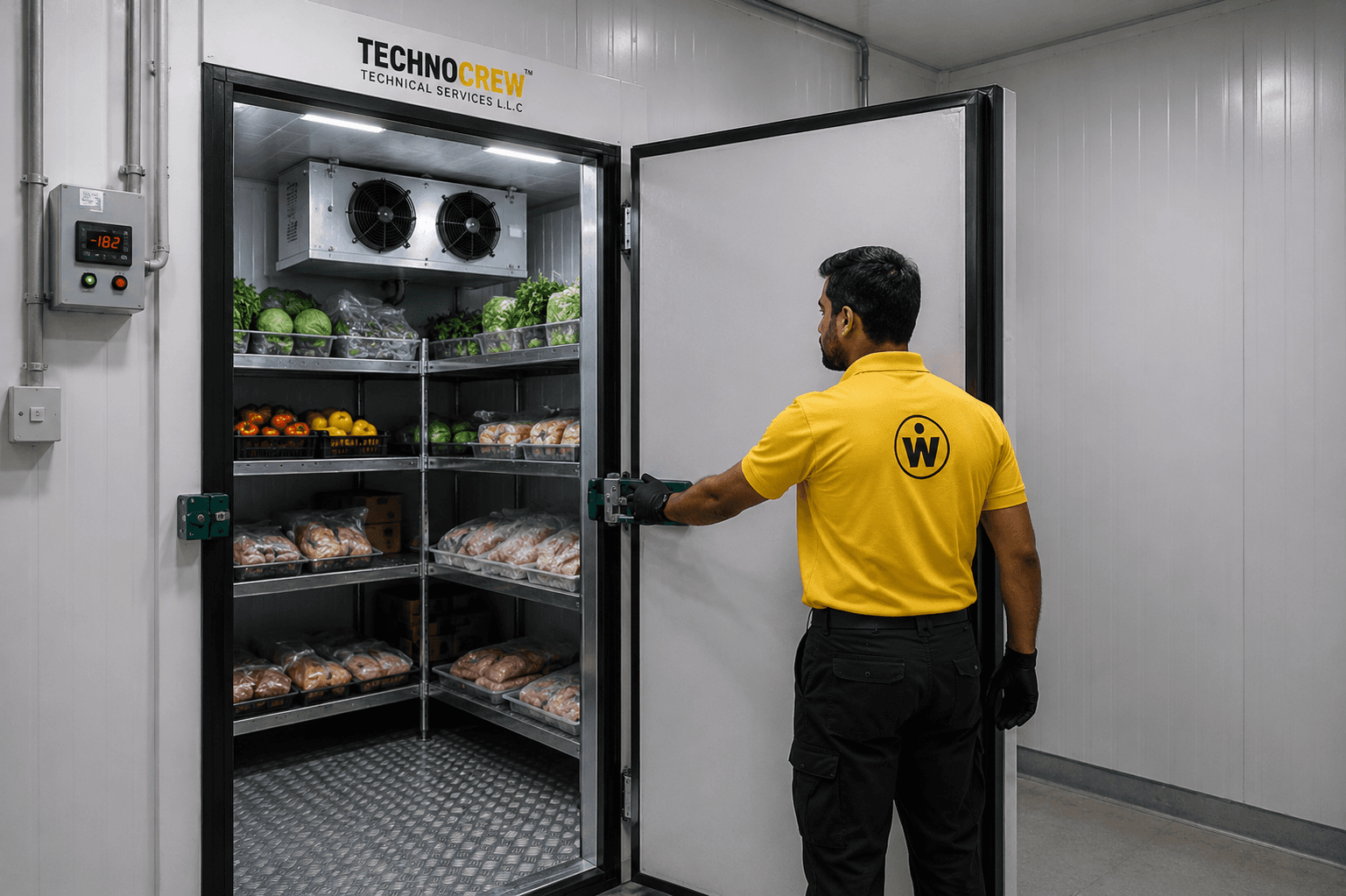
Cold Room Design & Installation
Complete design, fabrication, and installation of walk-in cold rooms, freezer rooms, and blast chillers engineered for commercial and industrial temperature-controlled storage across the UAE.
Get Service
Cold Room Design & Installation
Complete design, fabrication, and installation of walk-in cold rooms, freezer rooms, and blast chillers engineered for commercial and industrial temperature-controlled storage across the UAE.
Get Service
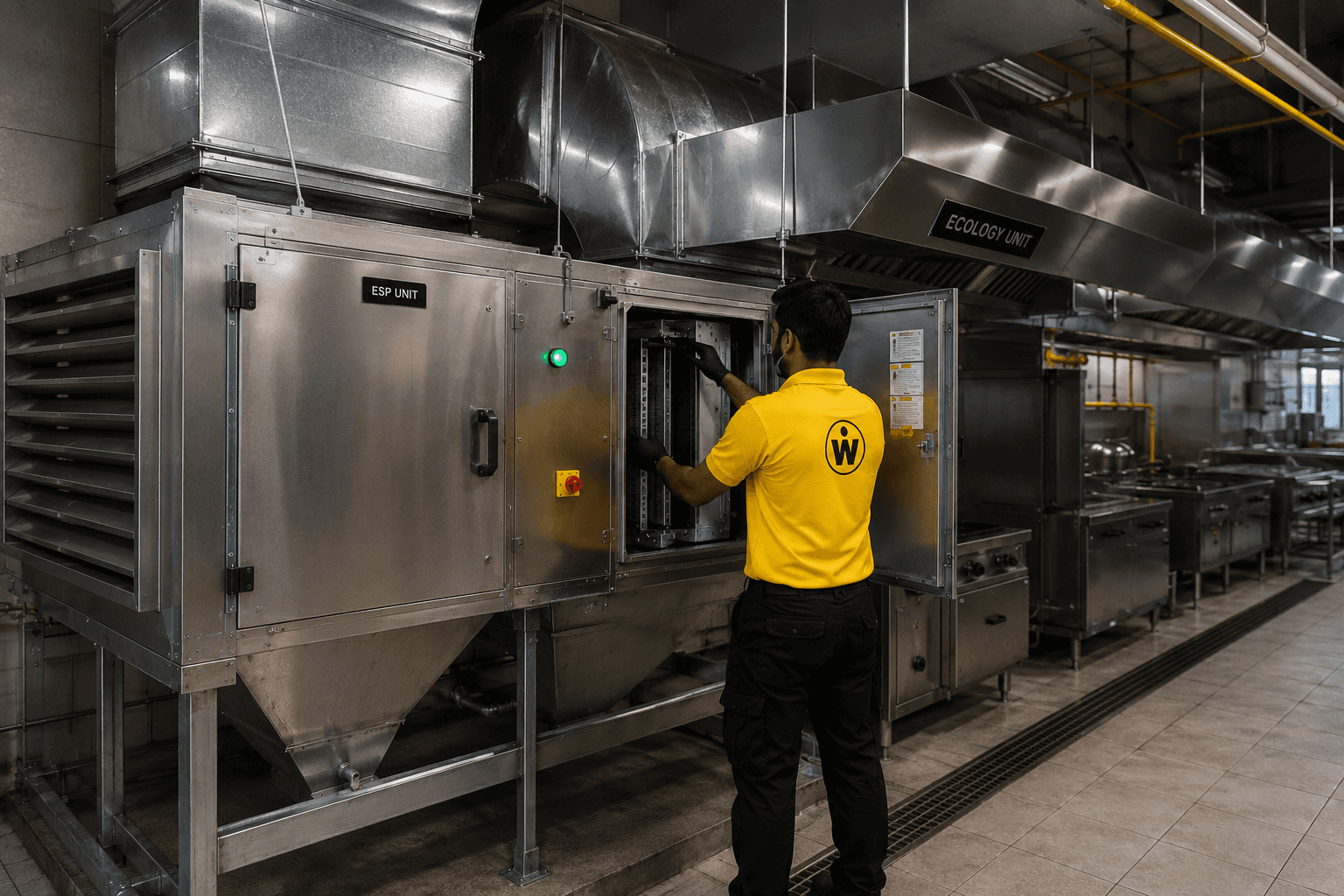
ESP & Ecology Units
Commercial kitchen ecology systems and electrostatic precipitators engineered for grease filtration, smoke control, odour reduction, and Dubai Municipality air quality compliance.
Get Service
ESP & Ecology Units
Commercial kitchen ecology systems and electrostatic precipitators engineered for grease filtration, smoke control, odour reduction, and Dubai Municipality air quality compliance.
Get Service
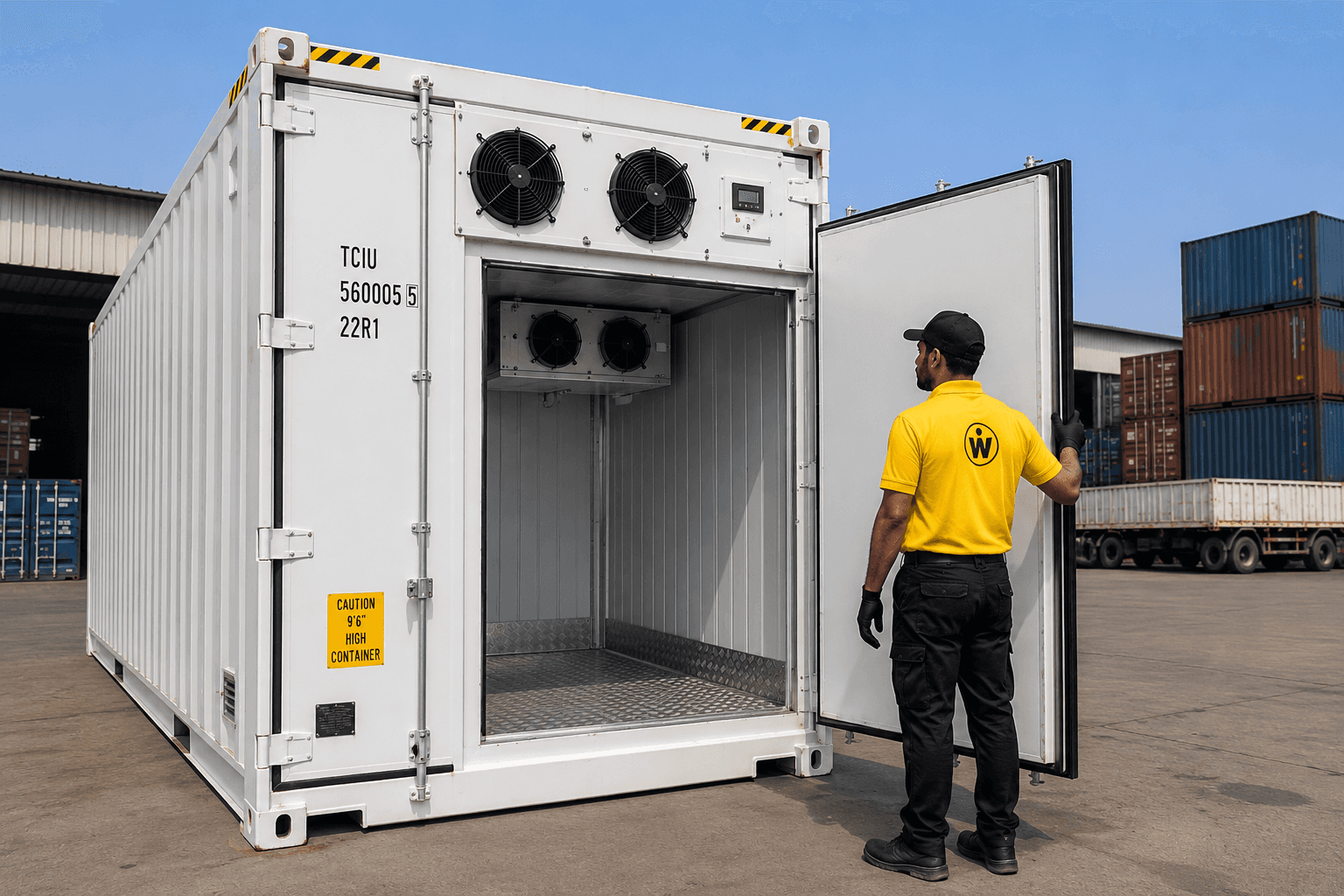
Container Cold Rooms
Turnkey containerised refrigeration units designed for logistics, fisheries, remote sites, events, and industrial operations requiring dependable mobile cold storage solutions.
Get Service
Container Cold Rooms
Turnkey containerised refrigeration units designed for logistics, fisheries, remote sites, events, and industrial operations requiring dependable mobile cold storage solutions.
Get Service
FAQ
Answers to Your Plumbing Questions
Find quick answers to common plumbing questions. From emergency repairs to routine maintenance, PlumFix is here to provide reliable solutions and peace of mind.
What technical services do you offer?
Do you have full-time in-house engineers?
Do your services deliver quality results?
How do I request a project quote?
Do you provide upfront pricing?
How can I schedule a consultation call?

Need Fast & Reliable Expert TECHNICAL Services?
Whether it's a routine service or an urgent technical issue, Technocrew is ready to deliver professional solutions with expert workmanship, transparent pricing, and dependable service you can trust.

Need Fast & Reliable Engineering Solutions?
Whether it's a cold room, container build, or full technical project, Technocrew delivers professional solutions with expert workmanship, transparent pricing, and dependable service you can trust.

Need Fast & Reliable Expert TECHNICAL Services?
Whether it's a routine service or an urgent technical issue, Technocrew is ready to deliver professional solutions with expert workmanship, transparent pricing, and dependable service you can trust.