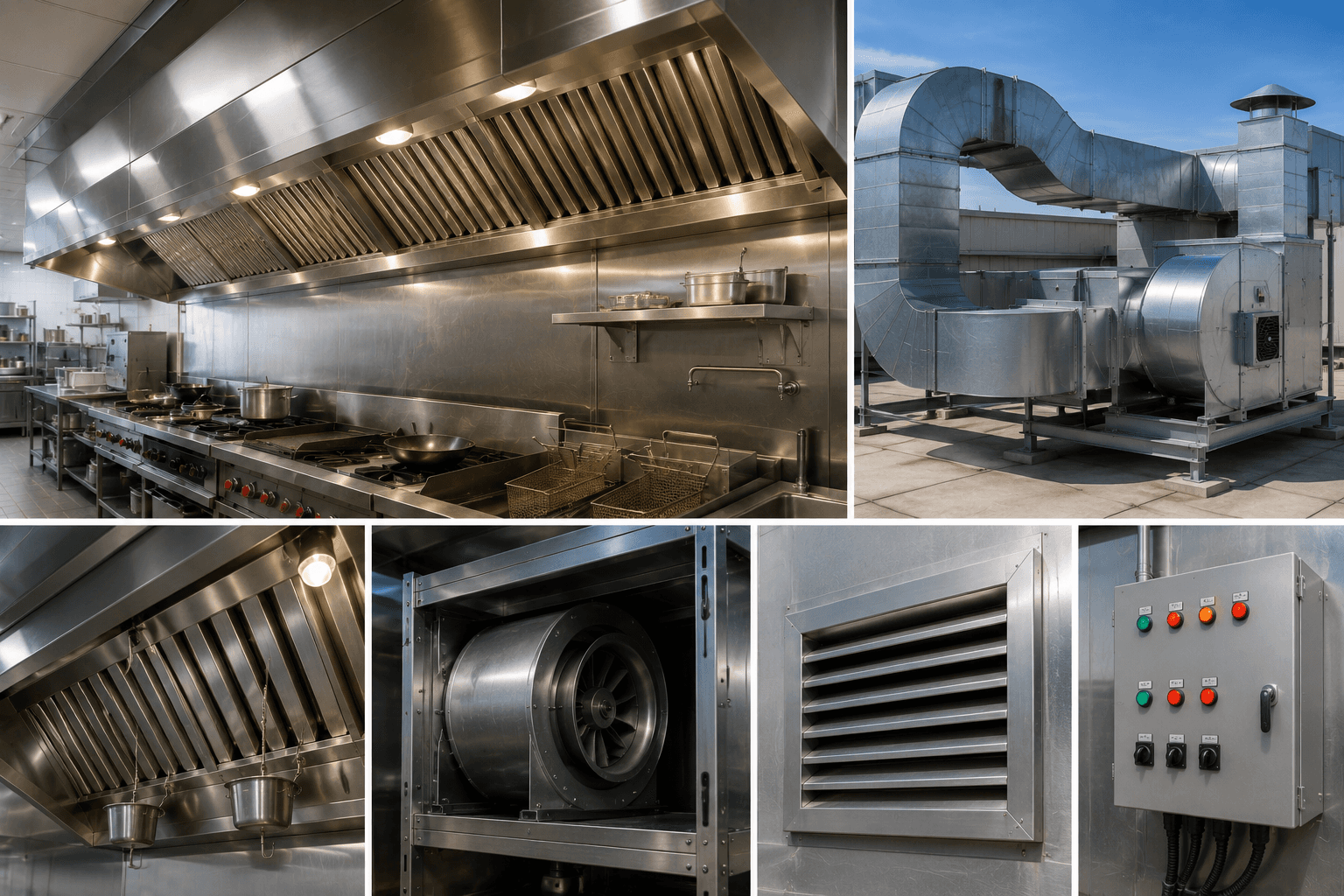
Kitchen Ventilation Systems Explained
Covers exhaust hoods, ductwork, make-up air, extraction fans, airflow, and complete kitchen ventilation design.
𝗞𝗶𝘁𝗰𝗵𝗲𝗻 𝗩𝗲𝗻𝘁𝗶𝗹𝗮𝘁𝗶𝗼𝗻 𝗦𝘆𝘀𝘁𝗲𝗺𝘀 𝗘𝘅𝗽𝗹𝗮𝗶𝗻𝗲𝗱
A commercial kitchen is one of the busiest environments in any building. Restaurants, hotels, cafés, cloud kitchens, hospitals, schools, catering facilities, and food courts operate cooking equipment for long hours, producing heat, smoke, grease particles, steam, and cooking odours throughout the day. Without a properly designed kitchen ventilation system, these contaminants can build up quickly, reducing operational efficiency and affecting the overall kitchen environment.
A commercial kitchen ventilation system is designed to remove contaminated air while supplying fresh air to create a balanced and efficient workspace. It helps manage airborne grease, smoke, heat, and odours generated during cooking while supporting the reliable operation of kitchen equipment.
Modern kitchen ventilation systems often include exhaust hoods, ductwork, exhaust fans, fresh air systems, Electrostatic Precipitators (ESP), and Ecology Units that work together to improve air movement and filtration. Every component plays an important role in maintaining efficient airflow throughout the kitchen.
At Technocrew Technical Services, we design, manufacture, install, and maintain customised commercial kitchen ventilation systems across Dubai and the UAE. Our solutions are tailored to meet the operational needs of restaurants, hotels, industrial kitchens, food courts, and other commercial food service facilities.
𝗪𝗵𝗮𝘁 𝗜𝘀 𝗮 𝗖𝗼𝗺𝗺𝗲𝗿𝗰𝗶𝗮𝗹 𝗞𝗶𝘁𝗰𝗵𝗲𝗻 𝗩𝗲𝗻𝘁𝗶𝗹𝗮𝘁𝗶𝗼𝗻 𝗦𝘆𝘀𝘁𝗲𝗺?
A commercial kitchen ventilation system is an engineered air management solution that removes contaminated air produced during cooking and replaces it with fresh air. The system is designed to improve airflow, capture grease and smoke, reduce cooking odours, and help maintain a comfortable working environment.
Rather than relying on a single piece of equipment, a ventilation system combines several components that work together to manage kitchen air efficiently.
A properly designed system supports continuous commercial cooking operations while helping maintain cleaner exhaust systems.
𝗪𝗵𝘆 𝗞𝗶𝘁𝗰𝗵𝗲𝗻 𝗩𝗲𝗻𝘁𝗶𝗹𝗮𝘁𝗶𝗼𝗻 𝗜𝘀 𝗜𝗺𝗽𝗼𝗿𝘁𝗮𝗻𝘁
Commercial kitchens produce a large volume of airborne contaminants every day.
A professionally designed ventilation system helps:
• Remove smoke from cooking
• Capture airborne grease
• Reduce cooking odours
• Improve airflow throughout the kitchen
• Support comfortable working conditions
• Protect ventilation equipment
• Improve kitchen cleanliness
• Support continuous operations
Reliable ventilation contributes to efficient kitchen performance while helping maintain a cleaner environment.
𝗠𝗮𝗶𝗻 𝗖𝗼𝗺𝗽𝗼𝗻𝗲𝗻𝘁𝘀 𝗼𝗳 𝗮 𝗞𝗶𝘁𝗰𝗵𝗲𝗻 𝗩𝗲𝗻𝘁𝗶𝗹𝗮𝘁𝗶𝗼𝗻 𝗦𝘆𝘀𝘁𝗲𝗺
A complete commercial kitchen ventilation system typically includes several interconnected components.
These may include:
• Kitchen exhaust hoods
• Grease filters
• Exhaust ductwork
• Exhaust fans
• Fresh air supply systems
• ESP (Electrostatic Precipitator) systems
• Ecology Units
• Air balancing components
Each element contributes to efficient airflow and improved ventilation performance.
𝗛𝗼𝘄 𝗮 𝗞𝗶𝘁𝗰𝗵𝗲𝗻 𝗩𝗲𝗻𝘁𝗶𝗹𝗮𝘁𝗶𝗼𝗻 𝗦𝘆𝘀𝘁𝗲𝗺 𝗪𝗼𝗿𝗸𝘀
Although every kitchen has unique design requirements, most ventilation systems follow a similar process.
The general airflow sequence includes:
• Cooking equipment generates heat, smoke, grease, steam, and vapours.
• Exhaust hoods capture contaminated air directly above cooking appliances.
• Grease filters remove larger grease particles.
• Air travels through ductwork.
• ESP systems capture fine grease particles and smoke where installed.
• Ecology Units further treat exhaust air by reducing remaining grease and cooking odours where required.
• Exhaust fans discharge treated air from the building.
• Fresh air systems replace extracted air with clean outside air.
This balanced airflow helps maintain efficient ventilation throughout commercial kitchen operations.
𝗕𝗲𝗻𝗲𝗳𝗶𝘁𝘀 𝗼𝗳 𝗣𝗿𝗼𝗳𝗲𝘀𝘀𝗶𝗼𝗻𝗮𝗹 𝗞𝗶𝘁𝗰𝗵𝗲𝗻 𝗩𝗲𝗻𝘁𝗶𝗹𝗮𝘁𝗶𝗼𝗻
Investing in a professionally engineered ventilation system offers numerous long-term advantages.
Key benefits include:
• Improved air circulation
• Better smoke extraction
• Efficient grease removal
• Reduced cooking odours
• Cleaner ductwork
• Improved ventilation efficiency
• Energy-efficient airflow
• Reliable long-term operation
• Easier maintenance
• Enhanced equipment performance
These advantages help businesses maintain smooth and efficient kitchen operations.
𝗜𝗻𝗱𝘂𝘀𝘁𝗿𝗶𝗲𝘀 𝗧𝗵𝗮𝘁 𝗥𝗲𝗾𝘂𝗶𝗿𝗲 𝗞𝗶𝘁𝗰𝗵𝗲𝗻 𝗩𝗲𝗻𝘁𝗶𝗹𝗮𝘁𝗶𝗼𝗻
Commercial kitchen ventilation systems are essential across many sectors.
Common applications include:
• Restaurants
• Hotels
• Cafés
• Cloud kitchens
• Food courts
• Catering facilities
• Hospitals
• Schools
• Universities
• Shopping malls
• Industrial kitchens
• Central food production facilities
Any business preparing food on a commercial scale benefits from an efficient ventilation system.
𝗧𝗵𝗲 𝗜𝗺𝗽𝗼𝗿𝘁𝗮𝗻𝗰𝗲 𝗼𝗳 𝗔𝗶𝗿 𝗕𝗮𝗹𝗮𝗻𝗰𝗶𝗻𝗴
Removing air from a kitchen without replacing it can create pressure imbalances that affect ventilation performance.
A properly balanced system ensures that fresh air enters the kitchen while contaminated air is removed efficiently.
Effective air balancing helps:
• Maintain consistent airflow
• Improve ventilation performance
• Support equipment efficiency
• Improve kitchen comfort
• Reduce unnecessary strain on exhaust systems
Balanced airflow is an important part of every professionally designed commercial kitchen ventilation system.
𝗘𝗻𝗲𝗿𝗴𝘆 𝗘𝗳𝗳𝗶𝗰𝗶𝗲𝗻𝗰𝘆
Commercial kitchen ventilation systems often operate for extended hours every day.
Energy-efficient designs can help businesses reduce operating costs by incorporating:
• Efficient exhaust fans
• Optimised airflow design
• Properly sized ductwork
• High-performance filtration
• Balanced air supply
• Routine preventive maintenance
Efficient ventilation systems improve long-term performance while reducing unnecessary energy consumption.
𝗗𝗲𝘀𝗶𝗴𝗻 𝗖𝗼𝗻𝘀𝗶𝗱𝗲𝗿𝗮𝘁𝗶𝗼𝗻𝘀
Every commercial kitchen has different ventilation requirements.
Before designing a system, engineers typically evaluate:
• Kitchen size
• Cooking equipment
• Cooking volume
• Heat generation
• Airflow requirements
• Available ceiling space
• Duct routing
• Future expansion requirements
A customised design helps ensure dependable performance and efficient airflow throughout the facility.
𝗜𝗺𝗽𝗼𝗿𝘁𝗮𝗻𝗰𝗲 𝗼𝗳 𝗥𝗼𝘂𝘁𝗶𝗻𝗲 𝗠𝗮𝗶𝗻𝘁𝗲𝗻𝗮𝗻𝗰𝗲
Regular maintenance is essential for maintaining reliable ventilation performance.
Preventive maintenance should include:
• Cleaning grease filters
• Inspecting exhaust fans
• Checking ductwork
• Cleaning ESP collection cells where installed
• Inspecting Ecology Units where installed
• Verifying airflow
• Testing electrical systems
• Scheduled performance inspections
Routine servicing helps maximise equipment lifespan while supporting continuous kitchen operations.
𝗖𝗼𝗺𝗺𝗼𝗻 𝗩𝗲𝗻𝘁𝗶𝗹𝗮𝘁𝗶𝗼𝗻 𝗣𝗿𝗼𝗯𝗹𝗲𝗺𝘀
Commercial kitchens may experience ventilation issues if systems are poorly designed or not maintained.
Common problems include:
• Inadequate airflow
• Excessive smoke
• Grease build-up
• Persistent cooking odours
• Blocked filters
• Poor air balancing
• Worn ventilation components
• Delayed maintenance
Identifying and addressing these issues early helps maintain efficient ventilation and reliable kitchen performance.
𝗛𝗼𝘄 𝘁𝗼 𝗖𝗵𝗼𝗼𝘀𝗲 𝘁𝗵𝗲 𝗥𝗶𝗴𝗵𝘁 𝗩𝗲𝗻𝘁𝗶𝗹𝗮𝘁𝗶𝗼𝗻 𝗦𝘆𝘀𝘁𝗲𝗺
Selecting the right kitchen ventilation system depends on the operational requirements of the facility.
Businesses should consider:
• Kitchen size
• Type of cooking
• Number of cooking stations
• Airflow requirements
• Installation space
• Maintenance accessibility
• Daily operating hours
• Future expansion plans
Working with experienced professionals helps ensure the ventilation system is correctly designed for efficient long-term operation.
𝗪𝗵𝘆 𝗧𝗲𝗰𝗵𝗻𝗼𝗰𝗿𝗲𝘄'𝘀 𝗞𝗶𝘁𝗰𝗵𝗲𝗻 𝗩𝗲𝗻𝘁𝗶𝗹𝗮𝘁𝗶𝗼𝗻 𝗦𝗼𝗹𝘂𝘁𝗶𝗼𝗻𝘀
At Technocrew Technical Services, we provide complete commercial kitchen ventilation solutions designed to meet the needs of restaurants, hotels, cloud kitchens, food courts, catering companies, and industrial food preparation facilities. Every project begins with a detailed assessment of kitchen operations, airflow requirements, available installation space, and long-term maintenance needs.
Our experienced engineers manage the complete process, including system design, manufacturing, installation, testing, and preventive maintenance. By combining efficient airflow engineering with high-quality ventilation equipment, we deliver dependable systems that support reliable commercial kitchen operations.
𝗪𝗵𝘆 𝗖𝗵𝗼𝗼𝘀𝗲 𝗧𝗲𝗰𝗵𝗻𝗼𝗰𝗿𝗲𝘄 𝗧𝗲𝗰𝗵𝗻𝗶𝗰𝗮𝗹 𝗦𝗲𝗿𝘃𝗶𝗰𝗲𝘀?
Technocrew Technical Services specialises in commercial kitchen ventilation systems across Dubai and the UAE. We design, manufacture, install, and maintain customised ventilation solutions that include exhaust systems, ESP technology, and Ecology Units to improve airflow, reduce grease and smoke, and support efficient kitchen operations.
From initial consultation and engineering to installation and ongoing preventive maintenance, every solution is tailored to your operational requirements. Whether you are building a new commercial kitchen or upgrading an existing ventilation system, Technocrew delivers reliable, energy-efficient solutions that help create cleaner, more efficient, and dependable cooking environments.
Need Expert Help?
Expert technical services across the UAE. Reliable refrigeration, climate control & maintenance.
𝗞𝗶𝘁𝗰𝗵𝗲𝗻 𝗩𝗲𝗻𝘁𝗶𝗹𝗮𝘁𝗶𝗼𝗻 𝗦𝘆𝘀𝘁𝗲𝗺𝘀 𝗘𝘅𝗽𝗹𝗮𝗶𝗻𝗲𝗱
A commercial kitchen is one of the busiest environments in any building. Restaurants, hotels, cafés, cloud kitchens, hospitals, schools, catering facilities, and food courts operate cooking equipment for long hours, producing heat, smoke, grease particles, steam, and cooking odours throughout the day. Without a properly designed kitchen ventilation system, these contaminants can build up quickly, reducing operational efficiency and affecting the overall kitchen environment.
A commercial kitchen ventilation system is designed to remove contaminated air while supplying fresh air to create a balanced and efficient workspace. It helps manage airborne grease, smoke, heat, and odours generated during cooking while supporting the reliable operation of kitchen equipment.
Modern kitchen ventilation systems often include exhaust hoods, ductwork, exhaust fans, fresh air systems, Electrostatic Precipitators (ESP), and Ecology Units that work together to improve air movement and filtration. Every component plays an important role in maintaining efficient airflow throughout the kitchen.
At Technocrew Technical Services, we design, manufacture, install, and maintain customised commercial kitchen ventilation systems across Dubai and the UAE. Our solutions are tailored to meet the operational needs of restaurants, hotels, industrial kitchens, food courts, and other commercial food service facilities.
𝗪𝗵𝗮𝘁 𝗜𝘀 𝗮 𝗖𝗼𝗺𝗺𝗲𝗿𝗰𝗶𝗮𝗹 𝗞𝗶𝘁𝗰𝗵𝗲𝗻 𝗩𝗲𝗻𝘁𝗶𝗹𝗮𝘁𝗶𝗼𝗻 𝗦𝘆𝘀𝘁𝗲𝗺?
A commercial kitchen ventilation system is an engineered air management solution that removes contaminated air produced during cooking and replaces it with fresh air. The system is designed to improve airflow, capture grease and smoke, reduce cooking odours, and help maintain a comfortable working environment.
Rather than relying on a single piece of equipment, a ventilation system combines several components that work together to manage kitchen air efficiently.
A properly designed system supports continuous commercial cooking operations while helping maintain cleaner exhaust systems.
𝗪𝗵𝘆 𝗞𝗶𝘁𝗰𝗵𝗲𝗻 𝗩𝗲𝗻𝘁𝗶𝗹𝗮𝘁𝗶𝗼𝗻 𝗜𝘀 𝗜𝗺𝗽𝗼𝗿𝘁𝗮𝗻𝘁
Commercial kitchens produce a large volume of airborne contaminants every day.
A professionally designed ventilation system helps:
• Remove smoke from cooking
• Capture airborne grease
• Reduce cooking odours
• Improve airflow throughout the kitchen
• Support comfortable working conditions
• Protect ventilation equipment
• Improve kitchen cleanliness
• Support continuous operations
Reliable ventilation contributes to efficient kitchen performance while helping maintain a cleaner environment.
𝗠𝗮𝗶𝗻 𝗖𝗼𝗺𝗽𝗼𝗻𝗲𝗻𝘁𝘀 𝗼𝗳 𝗮 𝗞𝗶𝘁𝗰𝗵𝗲𝗻 𝗩𝗲𝗻𝘁𝗶𝗹𝗮𝘁𝗶𝗼𝗻 𝗦𝘆𝘀𝘁𝗲𝗺
A complete commercial kitchen ventilation system typically includes several interconnected components.
These may include:
• Kitchen exhaust hoods
• Grease filters
• Exhaust ductwork
• Exhaust fans
• Fresh air supply systems
• ESP (Electrostatic Precipitator) systems
• Ecology Units
• Air balancing components
Each element contributes to efficient airflow and improved ventilation performance.
𝗛𝗼𝘄 𝗮 𝗞𝗶𝘁𝗰𝗵𝗲𝗻 𝗩𝗲𝗻𝘁𝗶𝗹𝗮𝘁𝗶𝗼𝗻 𝗦𝘆𝘀𝘁𝗲𝗺 𝗪𝗼𝗿𝗸𝘀
Although every kitchen has unique design requirements, most ventilation systems follow a similar process.
The general airflow sequence includes:
• Cooking equipment generates heat, smoke, grease, steam, and vapours.
• Exhaust hoods capture contaminated air directly above cooking appliances.
• Grease filters remove larger grease particles.
• Air travels through ductwork.
• ESP systems capture fine grease particles and smoke where installed.
• Ecology Units further treat exhaust air by reducing remaining grease and cooking odours where required.
• Exhaust fans discharge treated air from the building.
• Fresh air systems replace extracted air with clean outside air.
This balanced airflow helps maintain efficient ventilation throughout commercial kitchen operations.
𝗕𝗲𝗻𝗲𝗳𝗶𝘁𝘀 𝗼𝗳 𝗣𝗿𝗼𝗳𝗲𝘀𝘀𝗶𝗼𝗻𝗮𝗹 𝗞𝗶𝘁𝗰𝗵𝗲𝗻 𝗩𝗲𝗻𝘁𝗶𝗹𝗮𝘁𝗶𝗼𝗻
Investing in a professionally engineered ventilation system offers numerous long-term advantages.
Key benefits include:
• Improved air circulation
• Better smoke extraction
• Efficient grease removal
• Reduced cooking odours
• Cleaner ductwork
• Improved ventilation efficiency
• Energy-efficient airflow
• Reliable long-term operation
• Easier maintenance
• Enhanced equipment performance
These advantages help businesses maintain smooth and efficient kitchen operations.
𝗜𝗻𝗱𝘂𝘀𝘁𝗿𝗶𝗲𝘀 𝗧𝗵𝗮𝘁 𝗥𝗲𝗾𝘂𝗶𝗿𝗲 𝗞𝗶𝘁𝗰𝗵𝗲𝗻 𝗩𝗲𝗻𝘁𝗶𝗹𝗮𝘁𝗶𝗼𝗻
Commercial kitchen ventilation systems are essential across many sectors.
Common applications include:
• Restaurants
• Hotels
• Cafés
• Cloud kitchens
• Food courts
• Catering facilities
• Hospitals
• Schools
• Universities
• Shopping malls
• Industrial kitchens
• Central food production facilities
Any business preparing food on a commercial scale benefits from an efficient ventilation system.
𝗧𝗵𝗲 𝗜𝗺𝗽𝗼𝗿𝘁𝗮𝗻𝗰𝗲 𝗼𝗳 𝗔𝗶𝗿 𝗕𝗮𝗹𝗮𝗻𝗰𝗶𝗻𝗴
Removing air from a kitchen without replacing it can create pressure imbalances that affect ventilation performance.
A properly balanced system ensures that fresh air enters the kitchen while contaminated air is removed efficiently.
Effective air balancing helps:
• Maintain consistent airflow
• Improve ventilation performance
• Support equipment efficiency
• Improve kitchen comfort
• Reduce unnecessary strain on exhaust systems
Balanced airflow is an important part of every professionally designed commercial kitchen ventilation system.
𝗘𝗻𝗲𝗿𝗴𝘆 𝗘𝗳𝗳𝗶𝗰𝗶𝗲𝗻𝗰𝘆
Commercial kitchen ventilation systems often operate for extended hours every day.
Energy-efficient designs can help businesses reduce operating costs by incorporating:
• Efficient exhaust fans
• Optimised airflow design
• Properly sized ductwork
• High-performance filtration
• Balanced air supply
• Routine preventive maintenance
Efficient ventilation systems improve long-term performance while reducing unnecessary energy consumption.
𝗗𝗲𝘀𝗶𝗴𝗻 𝗖𝗼𝗻𝘀𝗶𝗱𝗲𝗿𝗮𝘁𝗶𝗼𝗻𝘀
Every commercial kitchen has different ventilation requirements.
Before designing a system, engineers typically evaluate:
• Kitchen size
• Cooking equipment
• Cooking volume
• Heat generation
• Airflow requirements
• Available ceiling space
• Duct routing
• Future expansion requirements
A customised design helps ensure dependable performance and efficient airflow throughout the facility.
𝗜𝗺𝗽𝗼𝗿𝘁𝗮𝗻𝗰𝗲 𝗼𝗳 𝗥𝗼𝘂𝘁𝗶𝗻𝗲 𝗠𝗮𝗶𝗻𝘁𝗲𝗻𝗮𝗻𝗰𝗲
Regular maintenance is essential for maintaining reliable ventilation performance.
Preventive maintenance should include:
• Cleaning grease filters
• Inspecting exhaust fans
• Checking ductwork
• Cleaning ESP collection cells where installed
• Inspecting Ecology Units where installed
• Verifying airflow
• Testing electrical systems
• Scheduled performance inspections
Routine servicing helps maximise equipment lifespan while supporting continuous kitchen operations.
𝗖𝗼𝗺𝗺𝗼𝗻 𝗩𝗲𝗻𝘁𝗶𝗹𝗮𝘁𝗶𝗼𝗻 𝗣𝗿𝗼𝗯𝗹𝗲𝗺𝘀
Commercial kitchens may experience ventilation issues if systems are poorly designed or not maintained.
Common problems include:
• Inadequate airflow
• Excessive smoke
• Grease build-up
• Persistent cooking odours
• Blocked filters
• Poor air balancing
• Worn ventilation components
• Delayed maintenance
Identifying and addressing these issues early helps maintain efficient ventilation and reliable kitchen performance.
𝗛𝗼𝘄 𝘁𝗼 𝗖𝗵𝗼𝗼𝘀𝗲 𝘁𝗵𝗲 𝗥𝗶𝗴𝗵𝘁 𝗩𝗲𝗻𝘁𝗶𝗹𝗮𝘁𝗶𝗼𝗻 𝗦𝘆𝘀𝘁𝗲𝗺
Selecting the right kitchen ventilation system depends on the operational requirements of the facility.
Businesses should consider:
• Kitchen size
• Type of cooking
• Number of cooking stations
• Airflow requirements
• Installation space
• Maintenance accessibility
• Daily operating hours
• Future expansion plans
Working with experienced professionals helps ensure the ventilation system is correctly designed for efficient long-term operation.
𝗪𝗵𝘆 𝗧𝗲𝗰𝗵𝗻𝗼𝗰𝗿𝗲𝘄'𝘀 𝗞𝗶𝘁𝗰𝗵𝗲𝗻 𝗩𝗲𝗻𝘁𝗶𝗹𝗮𝘁𝗶𝗼𝗻 𝗦𝗼𝗹𝘂𝘁𝗶𝗼𝗻𝘀
At Technocrew Technical Services, we provide complete commercial kitchen ventilation solutions designed to meet the needs of restaurants, hotels, cloud kitchens, food courts, catering companies, and industrial food preparation facilities. Every project begins with a detailed assessment of kitchen operations, airflow requirements, available installation space, and long-term maintenance needs.
Our experienced engineers manage the complete process, including system design, manufacturing, installation, testing, and preventive maintenance. By combining efficient airflow engineering with high-quality ventilation equipment, we deliver dependable systems that support reliable commercial kitchen operations.
𝗪𝗵𝘆 𝗖𝗵𝗼𝗼𝘀𝗲 𝗧𝗲𝗰𝗵𝗻𝗼𝗰𝗿𝗲𝘄 𝗧𝗲𝗰𝗵𝗻𝗶𝗰𝗮𝗹 𝗦𝗲𝗿𝘃𝗶𝗰𝗲𝘀?
Technocrew Technical Services specialises in commercial kitchen ventilation systems across Dubai and the UAE. We design, manufacture, install, and maintain customised ventilation solutions that include exhaust systems, ESP technology, and Ecology Units to improve airflow, reduce grease and smoke, and support efficient kitchen operations.
From initial consultation and engineering to installation and ongoing preventive maintenance, every solution is tailored to your operational requirements. Whether you are building a new commercial kitchen or upgrading an existing ventilation system, Technocrew delivers reliable, energy-efficient solutions that help create cleaner, more efficient, and dependable cooking environments.
Need Expert Help?
Expert technical services across the UAE. Reliable refrigeration, climate control & maintenance.
Our Services
Other Resources
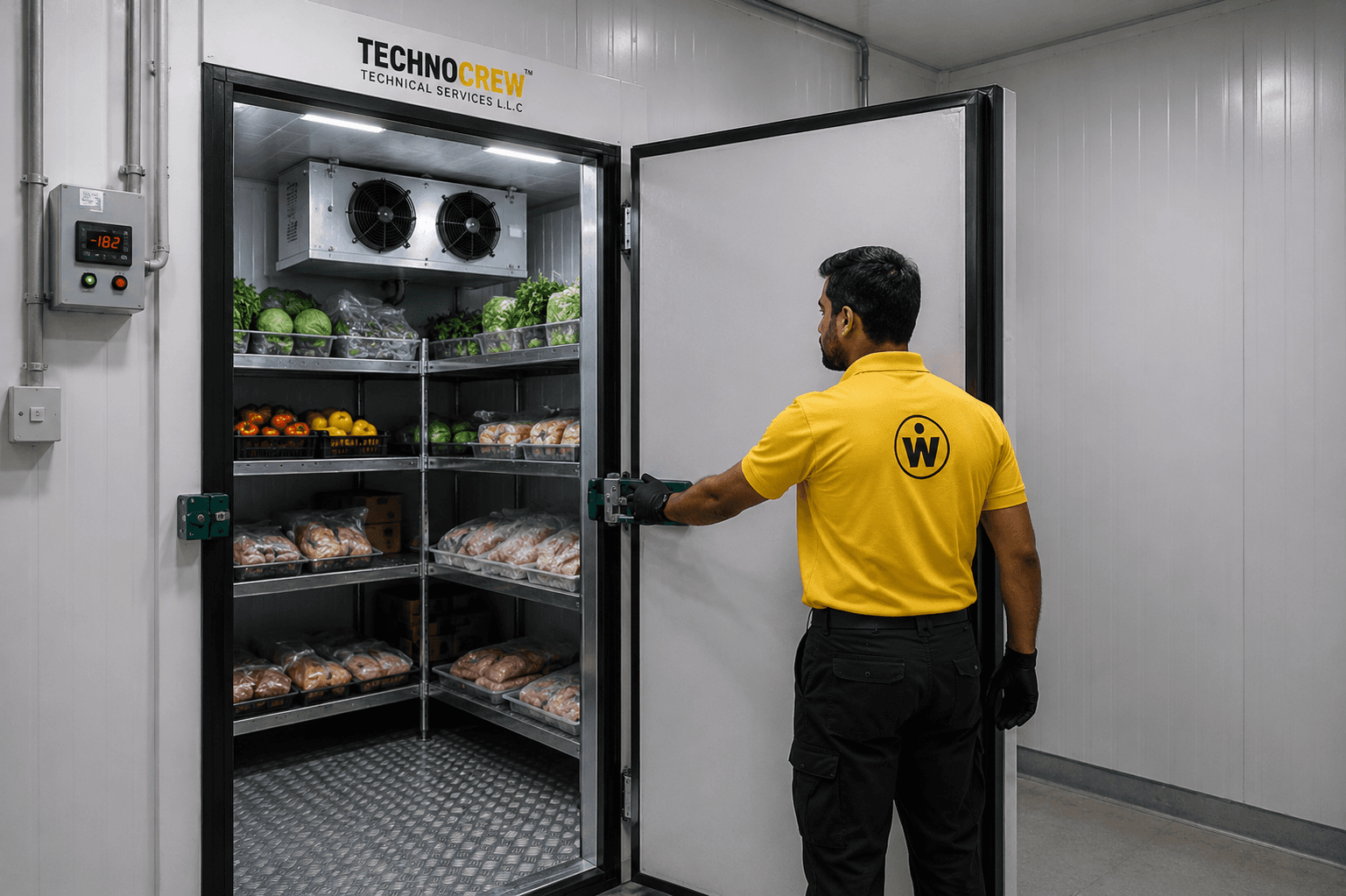
Cold Room Design & Installation
Complete design, fabrication, and installation of walk-in cold rooms, freezer rooms, and blast chillers engineered for commercial and industrial temperature-controlled storage across the UAE.
Get Service
Cold Room Design & Installation
Complete design, fabrication, and installation of walk-in cold rooms, freezer rooms, and blast chillers engineered for commercial and industrial temperature-controlled storage across the UAE.
Get Service
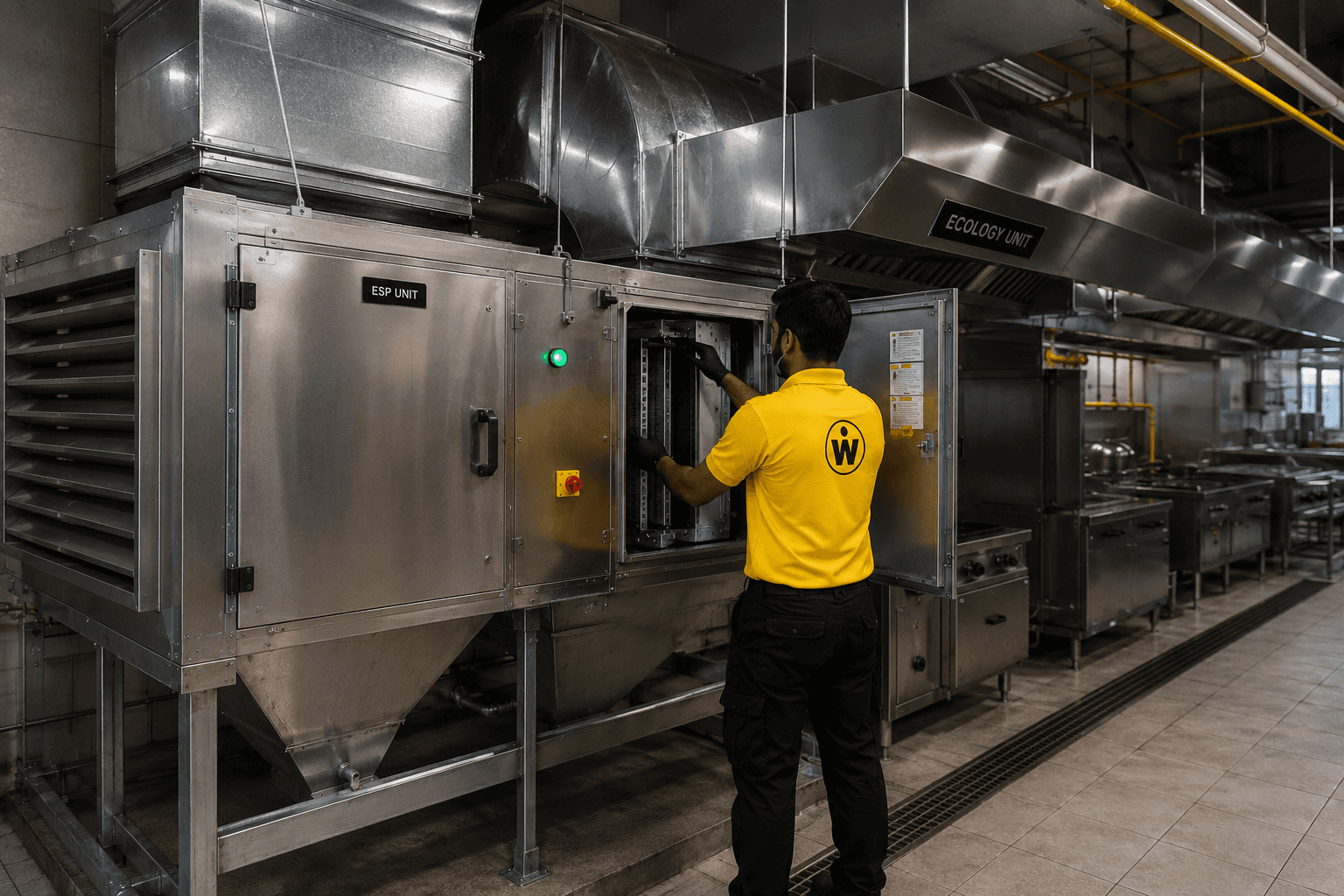
ESP & Ecology Units
Commercial kitchen ecology systems and electrostatic precipitators engineered for grease filtration, smoke control, odour reduction, and Dubai Municipality air quality compliance.
Get Service
ESP & Ecology Units
Commercial kitchen ecology systems and electrostatic precipitators engineered for grease filtration, smoke control, odour reduction, and Dubai Municipality air quality compliance.
Get Service
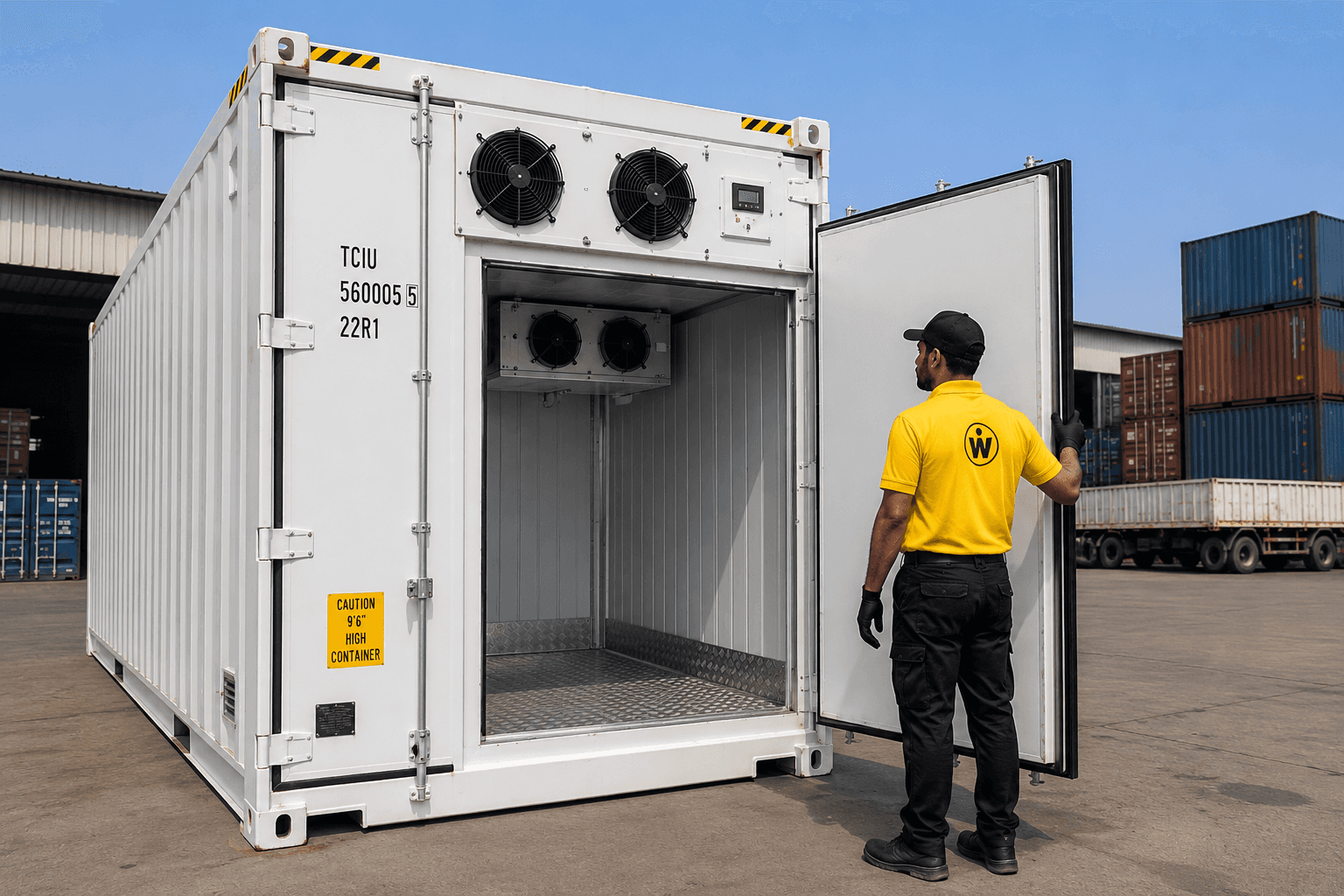
Container Cold Rooms
Turnkey containerised refrigeration units designed for logistics, fisheries, remote sites, events, and industrial operations requiring dependable mobile cold storage solutions.
Get Service
Container Cold Rooms
Turnkey containerised refrigeration units designed for logistics, fisheries, remote sites, events, and industrial operations requiring dependable mobile cold storage solutions.
Get Service
FAQ
Answers to Your Plumbing Questions
Find quick answers to common plumbing questions. From emergency repairs to routine maintenance, PlumFix is here to provide reliable solutions and peace of mind.
What technical services do you offer?
Do you have full-time in-house engineers?
Do your services deliver quality results?
How do I request a project quote?
Do you provide upfront pricing?
How can I schedule a consultation call?

Need Fast & Reliable Expert TECHNICAL Services?
Whether it's a routine service or an urgent technical issue, Technocrew is ready to deliver professional solutions with expert workmanship, transparent pricing, and dependable service you can trust.

Need Fast & Reliable Engineering Solutions?
Whether it's a cold room, container build, or full technical project, Technocrew delivers professional solutions with expert workmanship, transparent pricing, and dependable service you can trust.

Need Fast & Reliable Expert TECHNICAL Services?
Whether it's a routine service or an urgent technical issue, Technocrew is ready to deliver professional solutions with expert workmanship, transparent pricing, and dependable service you can trust.