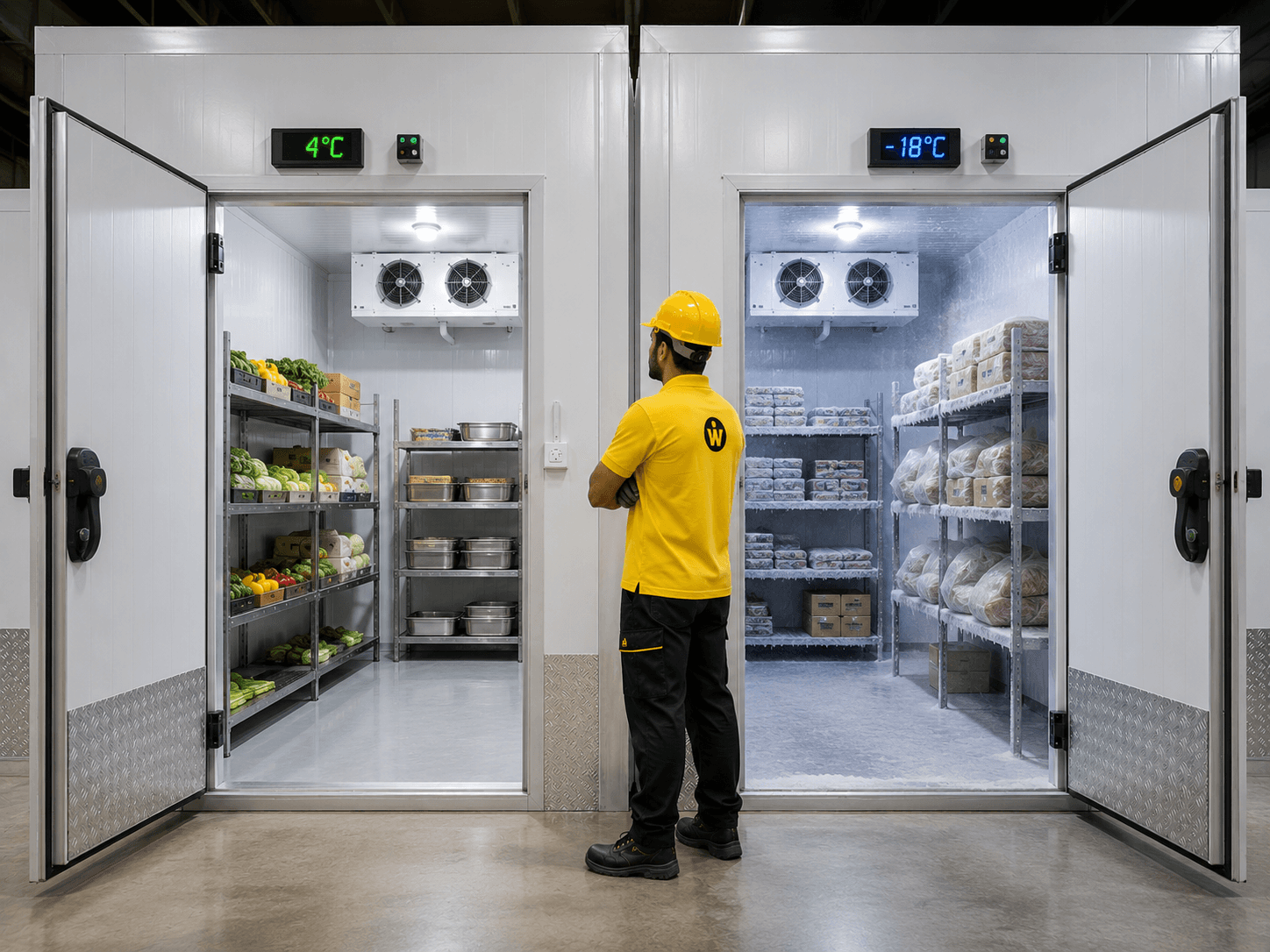
Walk-In Cold Rooms vs Walk-In Freezer Rooms: Which One Does Your Business Need?
Explains the differences between cold rooms and freezer rooms, their applications, temperature ranges, and how to choose the right solution.
𝗪𝗮𝗹𝗸-𝗜𝗻 𝗖𝗼𝗹𝗱 𝗥𝗼𝗼𝗺𝘀 𝘃𝘀 𝗪𝗮𝗹𝗸-𝗜𝗻 𝗙𝗿𝗲𝗲𝘇𝗲𝗿 𝗥𝗼𝗼𝗺𝘀: 𝗪𝗵𝗶𝗰𝗵 𝗢𝗻𝗲 𝗗𝗼𝗲𝘀 𝗬𝗼𝘂𝗿 𝗕𝘂𝘀𝗶𝗻𝗲𝘀𝘀 𝗡𝗲𝗲𝗱?
Choosing the right cold storage solution is one of the most important decisions for businesses that rely on temperature-controlled environments. Whether you're operating a restaurant, supermarket, pharmaceutical facility, catering company, warehouse, or food processing plant, selecting the appropriate storage system directly affects product quality, operational efficiency, and long-term running costs.
Many businesses assume that a walk-in cold room and a walk-in freezer room perform the same function because both are designed to keep products at low temperatures. While they share similar construction methods, their operating temperatures, intended applications, refrigeration systems, and storage capabilities are significantly different. Selecting the wrong system can lead to unnecessary energy consumption, reduced product quality, equipment strain, and higher operating expenses.
Understanding the differences between these two refrigeration solutions helps businesses make informed decisions based on the products they store, daily operations, and future growth plans. Every industry has unique storage requirements, making it essential to choose a system designed specifically for its operational needs.
At Technocrew Technical Services, every refrigeration project begins with understanding the client's business, storage requirements, available space, and long-term objectives. This allows our team to recommend practical cold storage solutions that deliver reliable performance, energy efficiency, and dependable operation throughout the year.
𝗪𝗵𝗮𝘁 𝗜𝘀 𝗮 𝗪𝗮𝗹𝗸-𝗜𝗻 𝗖𝗼𝗹𝗱 𝗥𝗼𝗼𝗺?
A walk-in cold room is a refrigerated storage space designed to keep products at chilled temperatures without freezing them. These rooms provide a stable environment that helps preserve freshness, maintain product quality, and extend shelf life for goods that require refrigeration.
Unlike standard domestic refrigerators, commercial walk-in cold rooms are built to accommodate larger storage volumes while allowing staff to enter and organise products efficiently. They are commonly installed in businesses that require continuous access to refrigerated inventory throughout the day.
Cold rooms are ideal for products that need consistent cooling but should not be exposed to freezing temperatures.
𝗪𝗵𝗮𝘁 𝗜𝘀 𝗮 𝗪𝗮𝗹𝗸-𝗜𝗻 𝗙𝗿𝗲𝗲𝘇𝗲𝗿 𝗥𝗼𝗼𝗺?
A walk-in freezer room is specifically designed to store products at freezing temperatures for long-term preservation. These systems use more powerful refrigeration equipment and enhanced insulation to maintain temperatures well below the freezing point.
Freezer rooms help businesses preserve frozen products, reduce spoilage, and maintain product quality during extended storage periods. They are commonly used where frozen inventory forms a major part of daily operations.
Because freezer rooms operate at much lower temperatures, they require specialised engineering, stronger refrigeration components, and careful installation to ensure dependable performance.
𝗧𝗵𝗲 𝗠𝗮𝗶𝗻 𝗗𝗶𝗳𝗳𝗲𝗿𝗲𝗻𝗰𝗲𝘀 𝗕𝗲𝘁𝘄𝗲𝗲𝗻 𝗖𝗼𝗹𝗱 𝗥𝗼𝗼𝗺𝘀 𝗮𝗻𝗱 𝗙𝗿𝗲𝗲𝘇𝗲𝗿 𝗥𝗼𝗼𝗺𝘀
Although both systems are designed for temperature-controlled storage, they serve different purposes.
Walk-in cold rooms are intended for chilled products that need to remain fresh while staying above freezing temperatures. They are suitable for fresh food, beverages, dairy products, flowers, pharmaceuticals, and many other temperature-sensitive items.
Walk-in freezer rooms are designed for products that require frozen storage over extended periods. These systems maintain much lower temperatures to preserve frozen food and other products that must remain completely frozen until use or distribution.
Understanding these differences ensures that businesses invest in equipment that matches their operational requirements.
𝗧𝗲𝗺𝗽𝗲𝗿𝗮𝘁𝘂𝗿𝗲 𝗥𝗮𝗻𝗴𝗲𝘀
One of the biggest differences between the two systems is their operating temperature.
A commercial cold room typically maintains temperatures suitable for chilled storage, allowing products to remain fresh without freezing.
A commercial freezer room operates at significantly lower temperatures to preserve frozen inventory for longer storage periods.
Selecting the correct temperature range depends entirely on the products being stored and the operational requirements of the business.
𝗣𝗿𝗼𝗱𝘂𝗰𝘁𝘀 𝗦𝘁𝗼𝗿𝗲𝗱 𝗶𝗻 𝗮 𝗖𝗼𝗹𝗱 𝗥𝗼𝗼𝗺
Walk-in cold rooms are commonly used for products that require refrigerated storage while maintaining freshness.
These may include:
• Fresh fruits
• Fresh vegetables
• Dairy products
• Soft drinks
• Juices
• Fresh meat
• Poultry
• Seafood
• Prepared meals
• Bakery ingredients
• Flowers
• Pharmaceuticals
• Medical supplies
• Catering products
Cold rooms help maintain consistent storage conditions that protect product quality and reduce waste.
𝗣𝗿𝗼𝗱𝘂𝗰𝘁𝘀 𝗦𝘁𝗼𝗿𝗲𝗱 𝗶𝗻 𝗮 𝗙𝗿𝗲𝗲𝘇𝗲𝗿 𝗥𝗼𝗼𝗺
Freezer rooms are designed for products that require long-term frozen preservation.
Typical applications include:
• Frozen meat
• Frozen seafood
• Frozen vegetables
• Ice cream
• Frozen desserts
• Frozen bakery products
• Ready-to-cook meals
• Frozen ingredients
• Long-term food inventory
Maintaining stable freezing conditions helps preserve product quality while extending storage life.
𝗗𝗲𝘀𝗶𝗴𝗻 𝗮𝗻𝗱 𝗖𝗼𝗻𝘀𝘁𝗿𝘂𝗰𝘁𝗶𝗼𝗻 𝗗𝗶𝗳𝗳𝗲𝗿𝗲𝗻𝗰𝗲𝘀
Although cold rooms and freezer rooms appear similar externally, their construction differs in several important ways.
Freezer rooms generally require thicker insulation panels to minimise heat transfer from the surrounding environment. Their refrigeration equipment is designed to generate lower temperatures while maintaining consistent performance under demanding operating conditions.
Cold rooms, while also heavily insulated, are engineered according to chilled storage requirements, allowing them to operate efficiently without the additional refrigeration demands associated with freezing applications.
The design process considers insulation, refrigeration capacity, door systems, airflow, room dimensions, and daily operational usage.
𝗘𝗻𝗲𝗿𝗴𝘆 𝗘𝗳𝗳𝗶𝗰𝗶𝗲𝗻𝗰𝘆 𝗖𝗼𝗻𝘀𝗶𝗱𝗲𝗿𝗮𝘁𝗶𝗼𝗻𝘀
Energy efficiency plays an important role in the long-term operating costs of any refrigeration system.
Because freezer rooms maintain much lower temperatures, they generally consume more energy than standard cold rooms. Proper insulation, quality refrigeration components, efficient door sealing, and professional installation help minimise unnecessary energy loss.
Choosing equipment that is correctly sized for the intended application improves efficiency while reducing ongoing operating expenses.
A well-designed system not only lowers electricity consumption but also reduces wear on refrigeration equipment, extending its service life.
𝗙𝗮𝗰𝘁𝗼𝗿𝘀 𝘁𝗼 𝗖𝗼𝗻𝘀𝗶𝗱𝗲𝗿 𝗕𝗲𝗳𝗼𝗿𝗲 𝗖𝗵𝗼𝗼𝘀𝗶𝗻𝗴
Every business should evaluate several factors before investing in a refrigeration system.
Important considerations include:
• Type of products being stored
• Required storage temperature
• Available installation space
• Daily storage capacity
• Frequency of door openings
• Future business expansion
• Energy efficiency requirements
• Operational workflow
• Maintenance accessibility
• Long-term operating costs
Considering these factors during the planning stage helps ensure the selected system continues to meet business requirements as operations grow.
𝗜𝗻𝗱𝘂𝘀𝘁𝗿𝗶𝗲𝘀 𝗧𝗵𝗮𝘁 𝗨𝘀𝗲 𝗖𝗼𝗹𝗱 𝗥𝗼𝗼𝗺𝘀 𝗮𝗻𝗱 𝗙𝗿𝗲𝗲𝘇𝗲𝗿 𝗥𝗼𝗼𝗺𝘀
Many industries rely on one or both types of refrigeration systems depending on their operational requirements.
These include:
• Restaurants
• Hotels
• Supermarkets
• Hypermarkets
• Catering companies
• Food manufacturers
• Pharmaceutical facilities
• Healthcare providers
• Cold storage warehouses
• Logistics companies
• Distribution centres
• Seafood processors
• Bakeries
• Floral businesses
Each business has unique storage demands, making customised system selection an important part of long-term operational success.
𝗖𝗼𝗺𝗺𝗼𝗻 𝗠𝗶𝘀𝘁𝗮𝗸𝗲𝘀 𝗪𝗵𝗲𝗻 𝗖𝗵𝗼𝗼𝘀𝗶𝗻𝗴 𝗮 𝗥𝗲𝗳𝗿𝗶𝗴𝗲𝗿𝗮𝘁𝗶𝗼𝗻 𝗦𝘆𝘀𝘁𝗲𝗺
Many businesses focus primarily on the initial purchase cost without considering long-term operational performance.
Some of the most common mistakes include:
• Choosing the wrong storage temperature
• Installing equipment that is too small
• Oversizing refrigeration systems
• Ignoring future expansion plans
• Using poor-quality insulation
• Selecting inefficient refrigeration equipment
• Poor room layout planning
• Inadequate airflow design
• Delaying preventive maintenance
Avoiding these issues during the planning stage helps reduce operating costs and improves long-term reliability.
𝗛𝗼𝘄 𝗧𝗲𝗰𝗵𝗻𝗼𝗰𝗿𝗲𝘄 𝗛𝗲𝗹𝗽𝘀 𝗬𝗼𝘂 𝗖𝗵𝗼𝗼𝘀𝗲 𝘁𝗵𝗲 𝗥𝗶𝗴𝗵𝘁 𝗦𝘆𝘀𝘁𝗲𝗺
Every business has different refrigeration requirements. Rather than recommending a standard solution, Technocrew Technical Services evaluates each project individually to determine the most suitable cold storage system.
Our team considers product types, storage capacity, available space, operational workflow, energy efficiency goals, and future business growth before recommending a solution. This ensures every installation is designed to support reliable day-to-day operations while reducing long-term maintenance and operating costs.
𝗪𝗵𝘆 𝗖𝗵𝗼𝗼𝘀𝗲 𝗧𝗲𝗰𝗵𝗻𝗼𝗰𝗿𝗲𝘄 𝗧𝗲𝗰𝗵𝗻𝗶𝗰𝗮𝗹 𝗦𝗲𝗿𝘃𝗶𝗰𝗲𝘀?
Technocrew Technical Services delivers professionally engineered commercial cold room and freezer room solutions tailored to the needs of businesses across Dubai and the UAE. From consultation and system design to installation, testing, and ongoing maintenance, every project is completed with a focus on quality, efficiency, and dependable performance.
Whether you require a walk-in cold room for fresh product storage or a walk-in freezer room for frozen inventory, our experienced team provides practical refrigeration solutions that help businesses protect valuable products, improve operational efficiency, and support long-term growth.
Need Expert Help?
Expert technical services across the UAE. Reliable refrigeration, climate control & maintenance.
𝗪𝗮𝗹𝗸-𝗜𝗻 𝗖𝗼𝗹𝗱 𝗥𝗼𝗼𝗺𝘀 𝘃𝘀 𝗪𝗮𝗹𝗸-𝗜𝗻 𝗙𝗿𝗲𝗲𝘇𝗲𝗿 𝗥𝗼𝗼𝗺𝘀: 𝗪𝗵𝗶𝗰𝗵 𝗢𝗻𝗲 𝗗𝗼𝗲𝘀 𝗬𝗼𝘂𝗿 𝗕𝘂𝘀𝗶𝗻𝗲𝘀𝘀 𝗡𝗲𝗲𝗱?
Choosing the right cold storage solution is one of the most important decisions for businesses that rely on temperature-controlled environments. Whether you're operating a restaurant, supermarket, pharmaceutical facility, catering company, warehouse, or food processing plant, selecting the appropriate storage system directly affects product quality, operational efficiency, and long-term running costs.
Many businesses assume that a walk-in cold room and a walk-in freezer room perform the same function because both are designed to keep products at low temperatures. While they share similar construction methods, their operating temperatures, intended applications, refrigeration systems, and storage capabilities are significantly different. Selecting the wrong system can lead to unnecessary energy consumption, reduced product quality, equipment strain, and higher operating expenses.
Understanding the differences between these two refrigeration solutions helps businesses make informed decisions based on the products they store, daily operations, and future growth plans. Every industry has unique storage requirements, making it essential to choose a system designed specifically for its operational needs.
At Technocrew Technical Services, every refrigeration project begins with understanding the client's business, storage requirements, available space, and long-term objectives. This allows our team to recommend practical cold storage solutions that deliver reliable performance, energy efficiency, and dependable operation throughout the year.
𝗪𝗵𝗮𝘁 𝗜𝘀 𝗮 𝗪𝗮𝗹𝗸-𝗜𝗻 𝗖𝗼𝗹𝗱 𝗥𝗼𝗼𝗺?
A walk-in cold room is a refrigerated storage space designed to keep products at chilled temperatures without freezing them. These rooms provide a stable environment that helps preserve freshness, maintain product quality, and extend shelf life for goods that require refrigeration.
Unlike standard domestic refrigerators, commercial walk-in cold rooms are built to accommodate larger storage volumes while allowing staff to enter and organise products efficiently. They are commonly installed in businesses that require continuous access to refrigerated inventory throughout the day.
Cold rooms are ideal for products that need consistent cooling but should not be exposed to freezing temperatures.
𝗪𝗵𝗮𝘁 𝗜𝘀 𝗮 𝗪𝗮𝗹𝗸-𝗜𝗻 𝗙𝗿𝗲𝗲𝘇𝗲𝗿 𝗥𝗼𝗼𝗺?
A walk-in freezer room is specifically designed to store products at freezing temperatures for long-term preservation. These systems use more powerful refrigeration equipment and enhanced insulation to maintain temperatures well below the freezing point.
Freezer rooms help businesses preserve frozen products, reduce spoilage, and maintain product quality during extended storage periods. They are commonly used where frozen inventory forms a major part of daily operations.
Because freezer rooms operate at much lower temperatures, they require specialised engineering, stronger refrigeration components, and careful installation to ensure dependable performance.
𝗧𝗵𝗲 𝗠𝗮𝗶𝗻 𝗗𝗶𝗳𝗳𝗲𝗿𝗲𝗻𝗰𝗲𝘀 𝗕𝗲𝘁𝘄𝗲𝗲𝗻 𝗖𝗼𝗹𝗱 𝗥𝗼𝗼𝗺𝘀 𝗮𝗻𝗱 𝗙𝗿𝗲𝗲𝘇𝗲𝗿 𝗥𝗼𝗼𝗺𝘀
Although both systems are designed for temperature-controlled storage, they serve different purposes.
Walk-in cold rooms are intended for chilled products that need to remain fresh while staying above freezing temperatures. They are suitable for fresh food, beverages, dairy products, flowers, pharmaceuticals, and many other temperature-sensitive items.
Walk-in freezer rooms are designed for products that require frozen storage over extended periods. These systems maintain much lower temperatures to preserve frozen food and other products that must remain completely frozen until use or distribution.
Understanding these differences ensures that businesses invest in equipment that matches their operational requirements.
𝗧𝗲𝗺𝗽𝗲𝗿𝗮𝘁𝘂𝗿𝗲 𝗥𝗮𝗻𝗴𝗲𝘀
One of the biggest differences between the two systems is their operating temperature.
A commercial cold room typically maintains temperatures suitable for chilled storage, allowing products to remain fresh without freezing.
A commercial freezer room operates at significantly lower temperatures to preserve frozen inventory for longer storage periods.
Selecting the correct temperature range depends entirely on the products being stored and the operational requirements of the business.
𝗣𝗿𝗼𝗱𝘂𝗰𝘁𝘀 𝗦𝘁𝗼𝗿𝗲𝗱 𝗶𝗻 𝗮 𝗖𝗼𝗹𝗱 𝗥𝗼𝗼𝗺
Walk-in cold rooms are commonly used for products that require refrigerated storage while maintaining freshness.
These may include:
• Fresh fruits
• Fresh vegetables
• Dairy products
• Soft drinks
• Juices
• Fresh meat
• Poultry
• Seafood
• Prepared meals
• Bakery ingredients
• Flowers
• Pharmaceuticals
• Medical supplies
• Catering products
Cold rooms help maintain consistent storage conditions that protect product quality and reduce waste.
𝗣𝗿𝗼𝗱𝘂𝗰𝘁𝘀 𝗦𝘁𝗼𝗿𝗲𝗱 𝗶𝗻 𝗮 𝗙𝗿𝗲𝗲𝘇𝗲𝗿 𝗥𝗼𝗼𝗺
Freezer rooms are designed for products that require long-term frozen preservation.
Typical applications include:
• Frozen meat
• Frozen seafood
• Frozen vegetables
• Ice cream
• Frozen desserts
• Frozen bakery products
• Ready-to-cook meals
• Frozen ingredients
• Long-term food inventory
Maintaining stable freezing conditions helps preserve product quality while extending storage life.
𝗗𝗲𝘀𝗶𝗴𝗻 𝗮𝗻𝗱 𝗖𝗼𝗻𝘀𝘁𝗿𝘂𝗰𝘁𝗶𝗼𝗻 𝗗𝗶𝗳𝗳𝗲𝗿𝗲𝗻𝗰𝗲𝘀
Although cold rooms and freezer rooms appear similar externally, their construction differs in several important ways.
Freezer rooms generally require thicker insulation panels to minimise heat transfer from the surrounding environment. Their refrigeration equipment is designed to generate lower temperatures while maintaining consistent performance under demanding operating conditions.
Cold rooms, while also heavily insulated, are engineered according to chilled storage requirements, allowing them to operate efficiently without the additional refrigeration demands associated with freezing applications.
The design process considers insulation, refrigeration capacity, door systems, airflow, room dimensions, and daily operational usage.
𝗘𝗻𝗲𝗿𝗴𝘆 𝗘𝗳𝗳𝗶𝗰𝗶𝗲𝗻𝗰𝘆 𝗖𝗼𝗻𝘀𝗶𝗱𝗲𝗿𝗮𝘁𝗶𝗼𝗻𝘀
Energy efficiency plays an important role in the long-term operating costs of any refrigeration system.
Because freezer rooms maintain much lower temperatures, they generally consume more energy than standard cold rooms. Proper insulation, quality refrigeration components, efficient door sealing, and professional installation help minimise unnecessary energy loss.
Choosing equipment that is correctly sized for the intended application improves efficiency while reducing ongoing operating expenses.
A well-designed system not only lowers electricity consumption but also reduces wear on refrigeration equipment, extending its service life.
𝗙𝗮𝗰𝘁𝗼𝗿𝘀 𝘁𝗼 𝗖𝗼𝗻𝘀𝗶𝗱𝗲𝗿 𝗕𝗲𝗳𝗼𝗿𝗲 𝗖𝗵𝗼𝗼𝘀𝗶𝗻𝗴
Every business should evaluate several factors before investing in a refrigeration system.
Important considerations include:
• Type of products being stored
• Required storage temperature
• Available installation space
• Daily storage capacity
• Frequency of door openings
• Future business expansion
• Energy efficiency requirements
• Operational workflow
• Maintenance accessibility
• Long-term operating costs
Considering these factors during the planning stage helps ensure the selected system continues to meet business requirements as operations grow.
𝗜𝗻𝗱𝘂𝘀𝘁𝗿𝗶𝗲𝘀 𝗧𝗵𝗮𝘁 𝗨𝘀𝗲 𝗖𝗼𝗹𝗱 𝗥𝗼𝗼𝗺𝘀 𝗮𝗻𝗱 𝗙𝗿𝗲𝗲𝘇𝗲𝗿 𝗥𝗼𝗼𝗺𝘀
Many industries rely on one or both types of refrigeration systems depending on their operational requirements.
These include:
• Restaurants
• Hotels
• Supermarkets
• Hypermarkets
• Catering companies
• Food manufacturers
• Pharmaceutical facilities
• Healthcare providers
• Cold storage warehouses
• Logistics companies
• Distribution centres
• Seafood processors
• Bakeries
• Floral businesses
Each business has unique storage demands, making customised system selection an important part of long-term operational success.
𝗖𝗼𝗺𝗺𝗼𝗻 𝗠𝗶𝘀𝘁𝗮𝗸𝗲𝘀 𝗪𝗵𝗲𝗻 𝗖𝗵𝗼𝗼𝘀𝗶𝗻𝗴 𝗮 𝗥𝗲𝗳𝗿𝗶𝗴𝗲𝗿𝗮𝘁𝗶𝗼𝗻 𝗦𝘆𝘀𝘁𝗲𝗺
Many businesses focus primarily on the initial purchase cost without considering long-term operational performance.
Some of the most common mistakes include:
• Choosing the wrong storage temperature
• Installing equipment that is too small
• Oversizing refrigeration systems
• Ignoring future expansion plans
• Using poor-quality insulation
• Selecting inefficient refrigeration equipment
• Poor room layout planning
• Inadequate airflow design
• Delaying preventive maintenance
Avoiding these issues during the planning stage helps reduce operating costs and improves long-term reliability.
𝗛𝗼𝘄 𝗧𝗲𝗰𝗵𝗻𝗼𝗰𝗿𝗲𝘄 𝗛𝗲𝗹𝗽𝘀 𝗬𝗼𝘂 𝗖𝗵𝗼𝗼𝘀𝗲 𝘁𝗵𝗲 𝗥𝗶𝗴𝗵𝘁 𝗦𝘆𝘀𝘁𝗲𝗺
Every business has different refrigeration requirements. Rather than recommending a standard solution, Technocrew Technical Services evaluates each project individually to determine the most suitable cold storage system.
Our team considers product types, storage capacity, available space, operational workflow, energy efficiency goals, and future business growth before recommending a solution. This ensures every installation is designed to support reliable day-to-day operations while reducing long-term maintenance and operating costs.
𝗪𝗵𝘆 𝗖𝗵𝗼𝗼𝘀𝗲 𝗧𝗲𝗰𝗵𝗻𝗼𝗰𝗿𝗲𝘄 𝗧𝗲𝗰𝗵𝗻𝗶𝗰𝗮𝗹 𝗦𝗲𝗿𝘃𝗶𝗰𝗲𝘀?
Technocrew Technical Services delivers professionally engineered commercial cold room and freezer room solutions tailored to the needs of businesses across Dubai and the UAE. From consultation and system design to installation, testing, and ongoing maintenance, every project is completed with a focus on quality, efficiency, and dependable performance.
Whether you require a walk-in cold room for fresh product storage or a walk-in freezer room for frozen inventory, our experienced team provides practical refrigeration solutions that help businesses protect valuable products, improve operational efficiency, and support long-term growth.
Need Expert Help?
Expert technical services across the UAE. Reliable refrigeration, climate control & maintenance.
Our Services
Other Resources
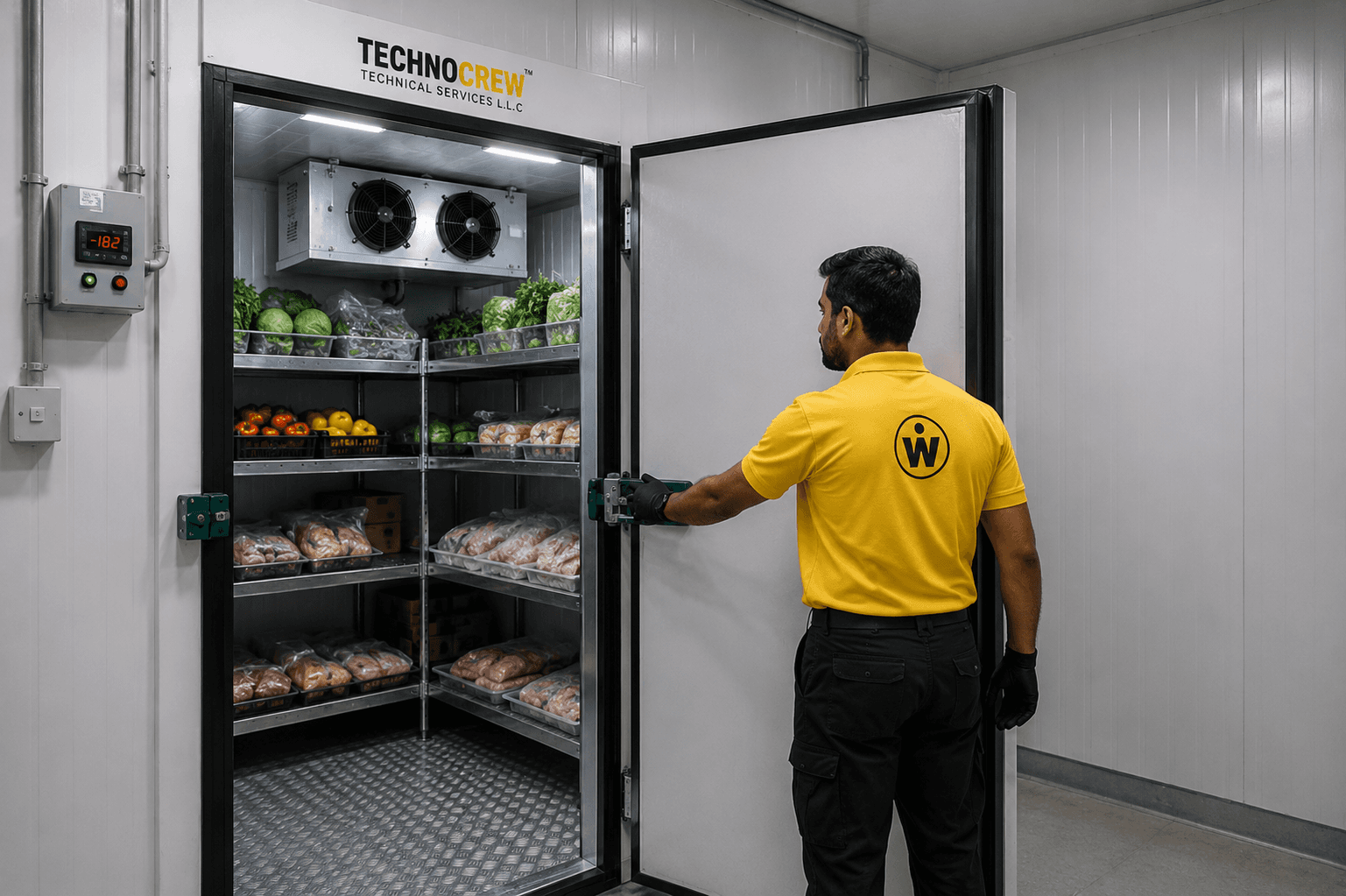
Cold Room Design & Installation
Complete design, fabrication, and installation of walk-in cold rooms, freezer rooms, and blast chillers engineered for commercial and industrial temperature-controlled storage across the UAE.
Get Service
Cold Room Design & Installation
Complete design, fabrication, and installation of walk-in cold rooms, freezer rooms, and blast chillers engineered for commercial and industrial temperature-controlled storage across the UAE.
Get Service
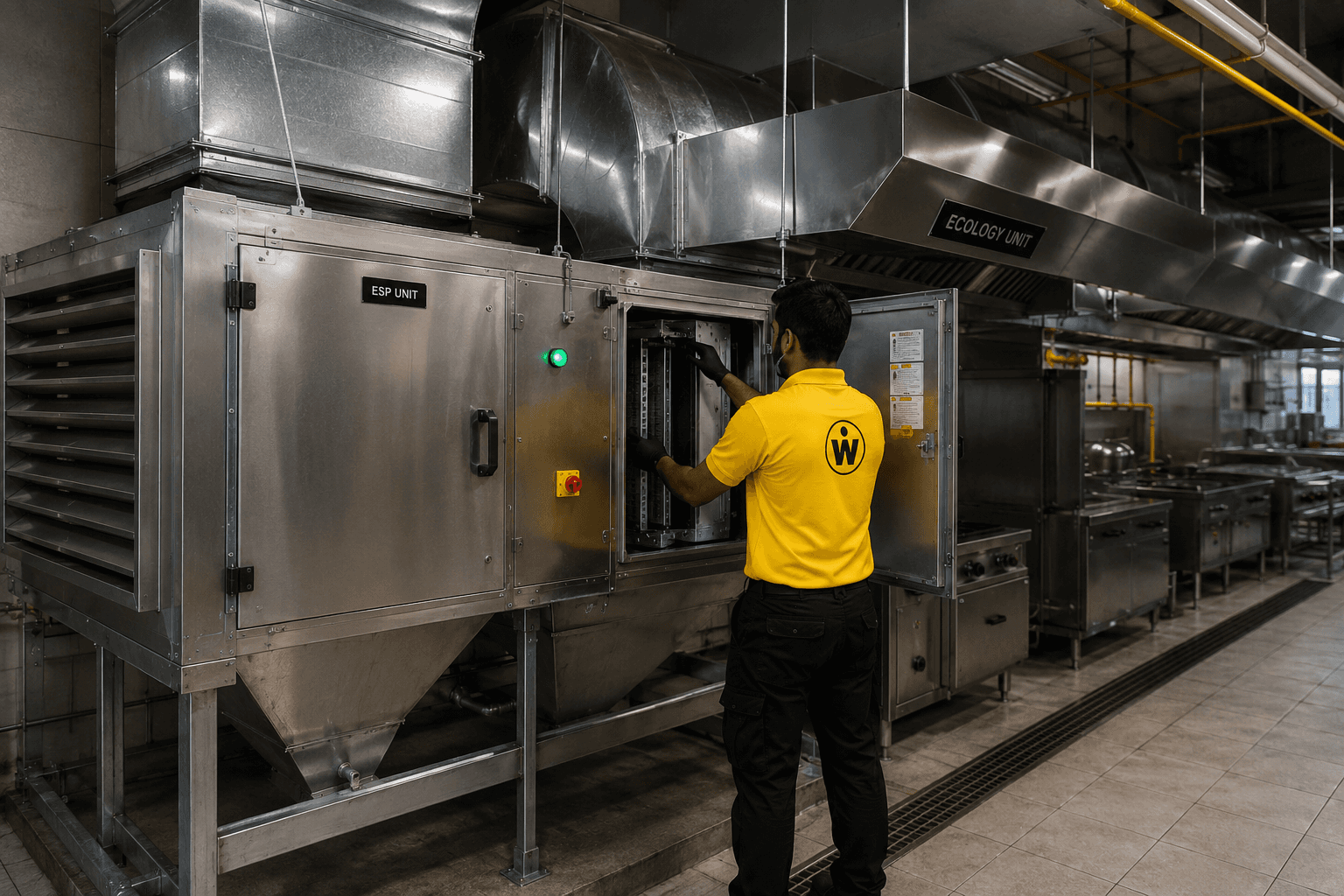
ESP & Ecology Units
Commercial kitchen ecology systems and electrostatic precipitators engineered for grease filtration, smoke control, odour reduction, and Dubai Municipality air quality compliance.
Get Service
ESP & Ecology Units
Commercial kitchen ecology systems and electrostatic precipitators engineered for grease filtration, smoke control, odour reduction, and Dubai Municipality air quality compliance.
Get Service
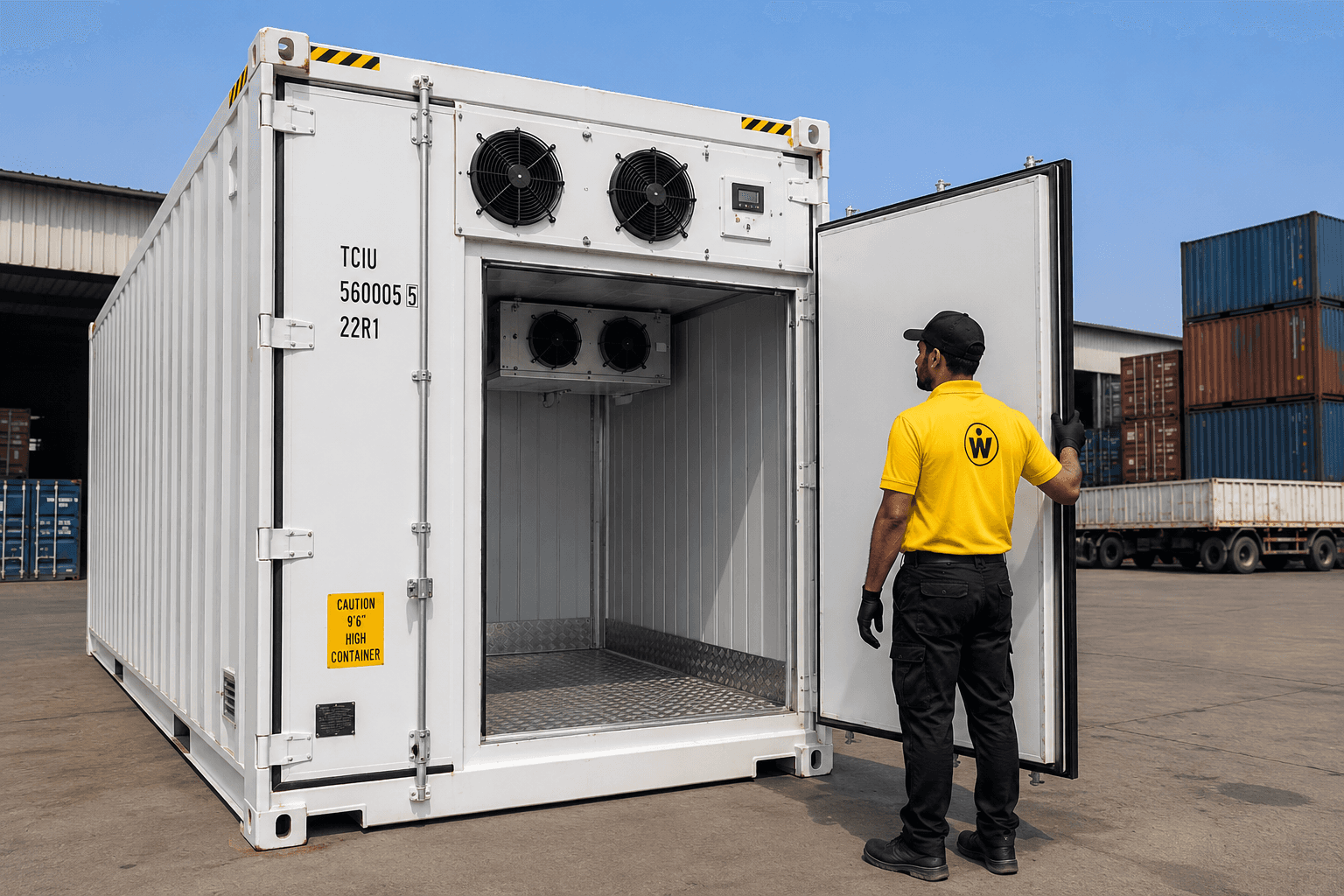
Container Cold Rooms
Turnkey containerised refrigeration units designed for logistics, fisheries, remote sites, events, and industrial operations requiring dependable mobile cold storage solutions.
Get Service
Container Cold Rooms
Turnkey containerised refrigeration units designed for logistics, fisheries, remote sites, events, and industrial operations requiring dependable mobile cold storage solutions.
Get Service
FAQ
Answers to Your Plumbing Questions
Find quick answers to common plumbing questions. From emergency repairs to routine maintenance, PlumFix is here to provide reliable solutions and peace of mind.
What technical services do you offer?
Do you have full-time in-house engineers?
Do your services deliver quality results?
How do I request a project quote?
Do you provide upfront pricing?
How can I schedule a consultation call?
Need Fast & Reliable Expert TECHNICAL Services?
Whether it's a routine service or an urgent technical issue, Technocrew is ready to deliver professional solutions with expert workmanship, transparent pricing, and dependable service you can trust.

Need Fast & Reliable Engineering Solutions?
Whether it's a cold room, container build, or full technical project, Technocrew delivers professional solutions with expert workmanship, transparent pricing, and dependable service you can trust.

Need Fast & Reliable Expert TECHNICAL Services?
Whether it's a routine service or an urgent technical issue, Technocrew is ready to deliver professional solutions with expert workmanship, transparent pricing, and dependable service you can trust.